The Pan Debate I See in Almost Every Kitchen
I remember when a friend called me while standing inside a kitchenware store, completely confused. One hand was holding a beautiful white ceramic pan, and the other was holding a speckled granite pan that looked stronger, heavier, and more “professional.” She asked, “Which one is actually better for cooking every day?”
I’ve seen many people struggle with this same decision. Ceramic pans look clean, modern, and healthy, while granite pans look tough, stylish, and durable. But here is the real question: are ceramic and granite pans truly different, or are they just different versions of nonstick cookware?
In my years of experience cooking in home kitchens and testing different pan types, I’ve learned one thing clearly. The best pan is not always the prettiest one; it is the one that matches how you cook. Do you cook eggs every morning? Do you make stir-fried vegetables, pancakes, fish fillets, chicken, sauces, or spicy curries? Your answer matters more than the label on the box.
This guide will break down ceramic vs granite pans in a practical, honest, and easy-to-understand way. By the end, you’ll know exactly which one fits your kitchen, your health goals, and your cooking style.
What Are Ceramic Pans?
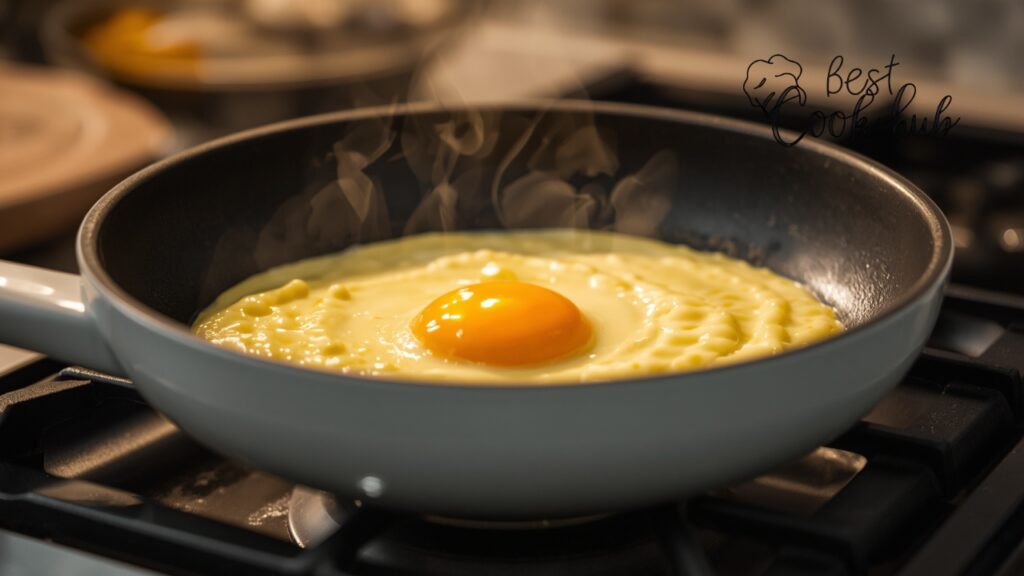
Ceramic pans are usually metal pans coated with a ceramic-style nonstick layer. Most of the time, the base is aluminum or stainless steel, while the cooking surface has a smooth mineral-based coating. Many ceramic cookware brands market their pans as PTFE-free, PFOA-free, and a cleaner alternative to traditional nonstick cookware. That is one reason ceramic pans became popular among health-conscious home cooks.
Have you ever noticed how ceramic pans often come in white, cream, pastel, or modern matte colors? That clean look makes them feel fresh and premium before you even cook with them. But ceramic-coated cookware is not the same as a solid clay or traditional ceramic pot. It is usually a coated metal pan designed to behave like a nonstick frying pan.
What Are Granite Pans?
Granite pans are usually not made from actual granite stone. In most cases, they are metal pans with a speckled nonstick coating that gives a stone-like appearance. The name “granite” often refers to the look, not the core material. Many granite cookware products use aluminum as the base because aluminum heats quickly and evenly.
Does that surprise you? Many shoppers think granite cookware means the pan is carved from stone, but that is rarely the case. Granite pans are popular because they look stronger than regular nonstick pans. The speckled coating also hides minor stains and marks better than a plain white ceramic surface.
In everyday cooking, granite pans often behave like traditional nonstick cookware. They are easy to cook with, easy to clean, and useful for low-to-medium heat meals.
Ceramic vs Granite Pans: Quick Comparison Table
| Feature | Ceramic Pan | Granite Pan |
| Main Look | Smooth, clean, modern | Speckled, stone-like, rugged |
| Base Material | Usually aluminum or stainless steel | Usually aluminum or carbon steel |
| Coating Style | Ceramic-style mineral coating | Speckled nonstick coating |
| Best For | Eggs, pancakes, vegetables, fish | Eggs, stir-fries, flatbreads, everyday frying |
| Nonstick Feel | Very smooth when new | Smooth and often slightly more forgiving |
| Heat Level | Best on low to medium heat | Best on low to medium heat |
| Durability | Can lose nonstick ability faster if overheated | Can last well with gentle use |
| Cleaning | Easy, but stains may show | Easy, stains are less visible |
| Health Appeal | Often marketed as PTFE-free | Depends on coating type and brand |
| Best User | Health-focused, careful cook | Busy home cook wanting easy maintenance |
The Historical Context: From Clay Pots to Modern Nonstick Pans
Before ceramic and granite pans became popular, people cooked in clay, stone, cast iron, copper, and bronze vessels. Traditional ceramic cooking has roots in ancient food cultures across Asia, the Middle East, Europe, Africa, and Latin America. Clay and ceramic pots were valued because they held heat gently. They were perfect for slow cooking, stews, beans, rice, and rustic family meals.
Granite-style cookware is much newer in the modern kitchen market. It became popular as people started looking for cookware that looked natural, strong, and safer than older nonstick pans. The speckled “stone” look created a feeling of durability. Even though many granite pans are not actual stone, the visual style helped them stand out.
Ceramic pans became especially trendy during the rise of healthy cooking and low-oil cooking. People wanted nonstick performance without feeling worried about older nonstick chemicals. That is why ceramic vs granite pans became such a common comparison. Both promise easy cooking, less oil, and simple cleanup.
Which Pan Is Safer: Ceramic or Granite?
Safety depends less on the name and more on the coating quality, brand transparency, and how you use the pan. A poorly made ceramic pan and a poorly made granite pan can both become unsafe if the coating chips, flakes, or overheats. Ceramic pans are often promoted as PTFE-free and PFOA-free. For many health-focused buyers, this is the biggest reason to choose ceramic cookware. Granite pans vary more. Some granite pans are PTFE-based nonstick pans with a speckled design, while others may be marketed as PFOA-free or reinforced with minerals.
So what should you do as a smart buyer? Always check the product label, manufacturer details, temperature limit, and coating information. If the pan says “PFOA-free,” that is useful. If it also clearly says “PTFE-free,” that tells you more about the coating type.
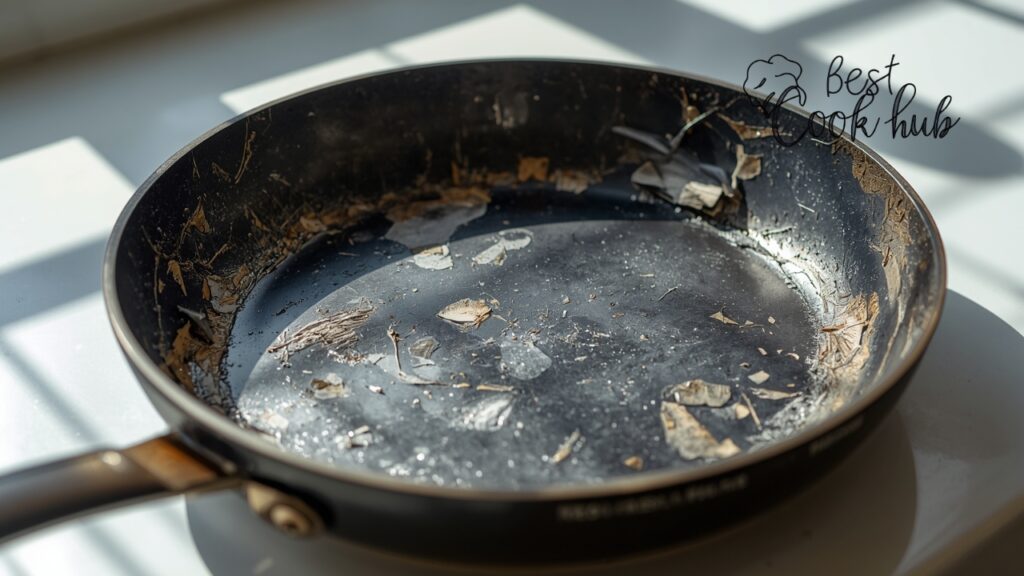
And here is a simple kitchen rule: once any nonstick pan starts peeling, flaking, bubbling, or deeply scratching, replace it. Food release is not worth risking damaged coating particles in your meal.
Cooking Performance: Which One Cooks Better?
For daily cooking, both ceramic and granite pans can perform well. They are especially useful for foods that stick easily, like eggs, pancakes, crepes, fish, tofu, and cheese-based dishes. Ceramic pans often feel extremely slick when new. A fresh ceramic pan can cook an omelet beautifully with very little oil. Granite pans may feel slightly more rugged. Many home cooks like them because the speckled surface looks less delicate and handles everyday use visually better.
But here is the honest truth. Neither ceramic nor granite pans are ideal for very high-heat cooking. Want to sear a thick steak with a deep brown crust? A cast iron skillet, carbon steel pan, or stainless steel pan is usually better. Want to make soft eggs without sticking? Ceramic or granite can be your best friend.
Best Foods to Cook in Ceramic Pans
Ceramic pans are great when you want gentle heat and easy food release. They work beautifully for breakfast and light cooking.
Try ceramic pans for:
- Scrambled eggs
- Omelets
- Pancakes
- French toast
- Grilled cheese
- Fish fillets
- Tofu
- Vegetable sautés
- Low-oil chicken strips
- Crepes
Have you ever had eggs stick so badly that breakfast turned into a cleaning job? A good ceramic pan can solve that problem when used correctly. Ceramic pans are also great for people who want to reduce added oil. You may still need a small amount of fat, but usually less than you would use in stainless steel.
Best Foods to Cook in Granite Pans
Granite pans are strong everyday performers. They are good for quick family meals, especially if you cook a variety of simple dishes.
Try granite pans for:
- Fried eggs
- Paratha or flatbread reheating
- Stir-fried vegetables
- Chicken pieces
- Noodles
- Fried rice
- Fish cakes
- Hash browns
- Quesadillas
- Quick curry base cooking
Granite pans are useful for busy kitchens because stains and light marks do not show as easily. If you cook with turmeric, chili powder, tomato, or soy sauce often, this can be helpful. Does this sound familiar? You buy a beautiful white pan, cook one turmeric-heavy dish, and suddenly it looks older than it is. That is where granite pans can feel more practical.
Heat Distribution: Ceramic vs Granite
Most ceramic and granite pans use aluminum because aluminum heats quickly. This makes them convenient for fast cooking. The problem is that quick heating can also mean overheating. If you place an empty ceramic or granite pan on high heat for too long, the coating can suffer.
Ceramic pans usually prefer low-to-medium heat. They do not need aggressive heat because the surface releases food easily. Granite pans also perform best on low-to-medium heat. Some feel thicker and more stable, but you should still avoid blasting them on high heat. A simple tip: preheat for 30 to 60 seconds on medium-low, add oil or food, and then adjust heat as needed. Your pan will last longer, and your food will cook more evenly.
Durability: Which Pan Lasts Longer?
Durability depends on coating quality, thickness, utensils, washing habits, and heat control. A cheap ceramic pan can lose its nonstick effect quickly, while a well-made granite pan may last longer with careful use. Ceramic pans can be sensitive to metal utensils, sudden temperature changes, and rough scrubbing. Once the surface becomes rough, food starts sticking. Granite pans often look tougher, but they still need gentle care. The speckled look can hide damage, but it does not make the coating indestructible.
If you want the longest-lasting cookware, stainless steel, cast iron, or carbon steel usually wins. But if you want low-oil convenience, ceramic and granite pans are easier for daily cooking. For most home kitchens, a good ceramic or granite pan can last one to three years with proper care. Heavy use, high heat, and dishwasher cleaning can shorten that life.
Nonstick Performance: Which One Releases Food Better?
When brand new, ceramic pans often feel smoother. Eggs slide beautifully, pancakes lift easily, and fish does not tear as much.
Granite pans also provide strong nonstick performance, especially when the coating is good quality. Some users find granite pans more forgiving for everyday family cooking. But nonstick performance changes over time. Ceramic coatings can lose their slickness faster if overheated or washed harshly.
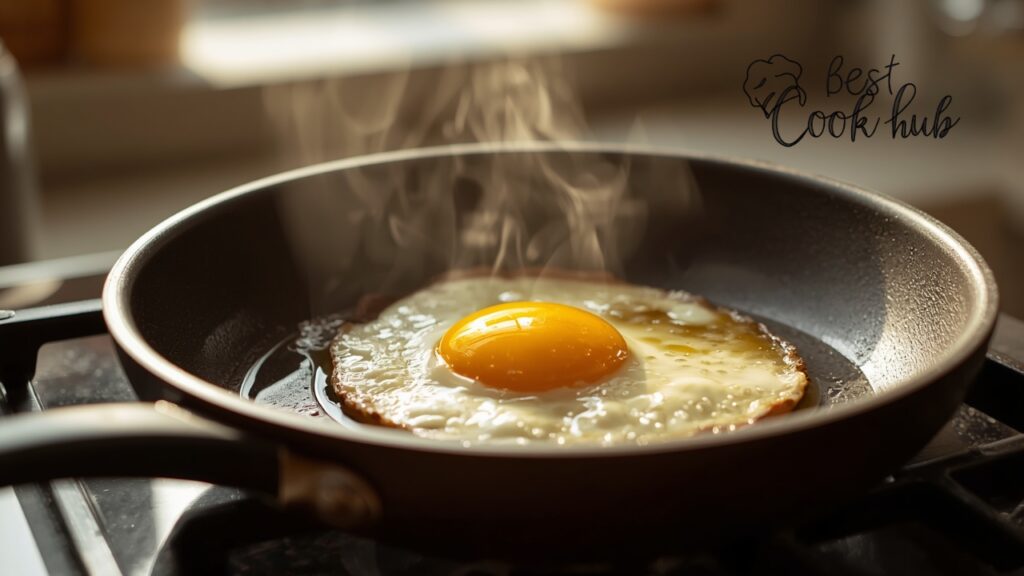
Granite pans may keep their usable surface longer if the coating is thicker. Still, they are not magic; scratches and overheating will reduce performance. Want a real-world test? Cook one egg with half a teaspoon of oil on medium-low heat. If the egg releases cleanly, the pan is still doing its job. If it sticks badly even with oil, the coating is wearing down.
Nutritional Impact: Does the Pan Make Food Healthier?
A pan does not add protein, vitamins, or minerals to your food. But it can influence how much oil, butter, or ghee you use. This is where ceramic and granite pans can support healthier cooking. A good nonstick surface allows you to cook with less added fat. For example, one tablespoon of olive oil has about 119 to 120 calories and around 14 grams of fat. One teaspoon has roughly 40 calories.
If your pan helps you reduce oil from one tablespoon to one teaspoon, you save around 80 calories per dish. Over a week of daily cooking, that adds up. Let’s make it practical. If you cook eggs every morning and reduce oil by 2 teaspoons per day, you may save about 560 calories per week. That does not mean oil is bad. Olive oil, avocado oil, mustard oil, and other cooking fats can be part of a balanced diet. The key is control. Ceramic and granite pans help you use fat intentionally instead of pouring extra oil just to prevent sticking.
Small Kitchen Case Study: The 7-Day Low-Oil Pan Test
Here is a simple case study based on a realistic home kitchen routine. Imagine a family cooking breakfast and dinner in a nonstick pan for seven days. Before switching pans, they used around one tablespoon of oil for eggs or vegetables. After using a good ceramic or granite pan, they used one teaspoon for most meals.
That means they reduced added oil by about two teaspoons per cooking session. Since one teaspoon of oil is about 40 calories, that saves around 80 calories per session. If they cook this way twice per day, they save around 160 calories daily. Across seven days, that becomes around 1,120 fewer calories from added oil.
Is that a dramatic diet transformation? No. Is it a smart, realistic change that does not make food boring? Absolutely. This is why cookware matters. It does not replace healthy ingredients, but it can quietly improve daily habits.
Ceramic Pans for Regional Cooking
Ceramic pans are popular in kitchens where gentle cooking matters. They are great for Mediterranean-style vegetables, soft omelets, sautéed mushrooms, fish, and light chicken dishes. For Indian and Bangladeshi cooking, ceramic pans work well for omelets, pancakes, low-oil bhaji, paneer, and light sautéed vegetables. But be careful with deep spice frying, long tomato simmering, and high-heat tadka.
For East Asian cooking, ceramic pans can handle quick eggs, tofu, light fried rice, and vegetable stir-fries. Use moderate heat and avoid aggressive wok-style flame cooking. For Western breakfasts, ceramic pans are excellent. Eggs, pancakes, grilled cheese, and crepes are exactly the type of food these pans handle well.
Granite Pans for Regional Cooking
Granite pans often feel more practical for South Asian, Middle Eastern, and family-style cooking. They handle colorful spices better visually because staining is less obvious. For Bangladeshi and Indian kitchens, granite pans can be useful for paratha reheating, egg bhurji, vegetable fry, fish fry, chicken pieces, and quick curry bases. The darker speckled surface hides turmeric and chili stains better.
For Middle Eastern cooking, granite pans work well for eggs with vegetables, halloumi, flatbread warming, and spiced minced meat. For Western cooking, granite pans are good for grilled cheese, quesadillas, hash browns, sautéed vegetables, and simple chicken meals. If you cook with bold spices every day, granite may feel easier to maintain. If you cook lighter foods and care about PTFE-free labeling, ceramic may feel better.
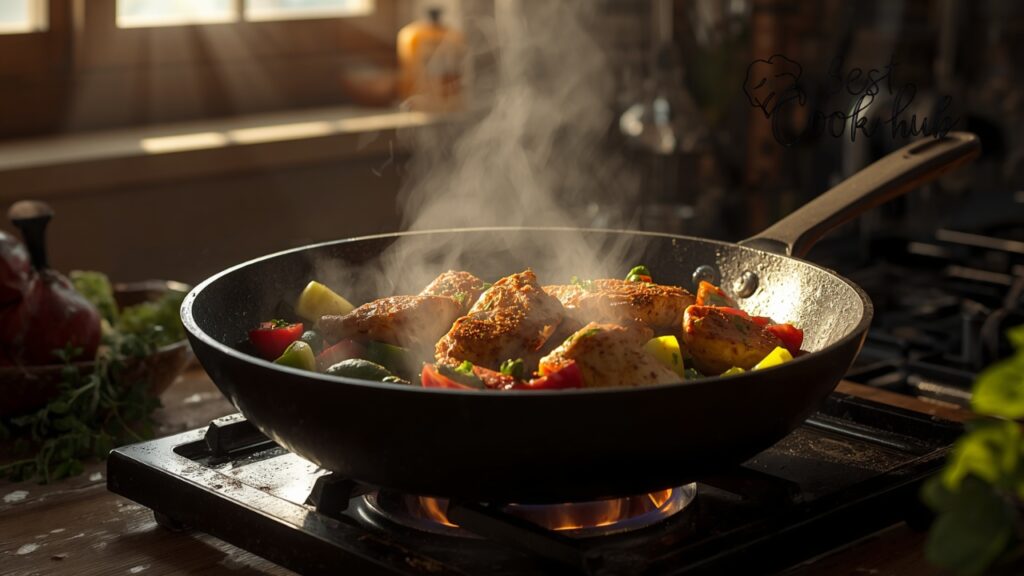
Cooking Method 1: Perfect Eggs in Ceramic or Granite Pans
Start with a clean, dry pan. Place it on low or medium-low heat for about 30 seconds. Add half a teaspoon of oil or a small amount of butter. Swirl it gently across the surface. Crack in the egg and let it cook slowly. Do not rush it with high heat. For scrambled eggs, stir with a silicone spatula. Remove the pan from heat just before the eggs look fully done. The leftover heat will finish the cooking. This keeps eggs soft instead of rubbery.
Cooking Method 2: Pancakes Without Sticking
Preheat the pan on medium-low heat. Do not use high heat because pancakes brown quickly on the outside and stay raw inside. Lightly grease the surface with oil or butter. Wipe excess fat with a paper towel if needed. Pour the batter and wait until bubbles appear on top. Flip once and avoid pressing the pancake down. Ceramic pans are excellent for pale golden pancakes. Granite pans are great if you like slightly deeper browning.
Cooking Method 3: Fish Fillets Without Breaking
Fish is delicate, so nonstick cookware helps a lot. Pat the fish dry before cooking. Season it lightly and add a thin layer of oil to the pan. Place the fish down and do not move it too soon. Let the first side cook until it naturally releases. If you force it early, it may tear. Use a wide silicone spatula for flipping. Ceramic and granite pans both work well for this method.
Cooking Method 4: Stir-Fried Vegetables
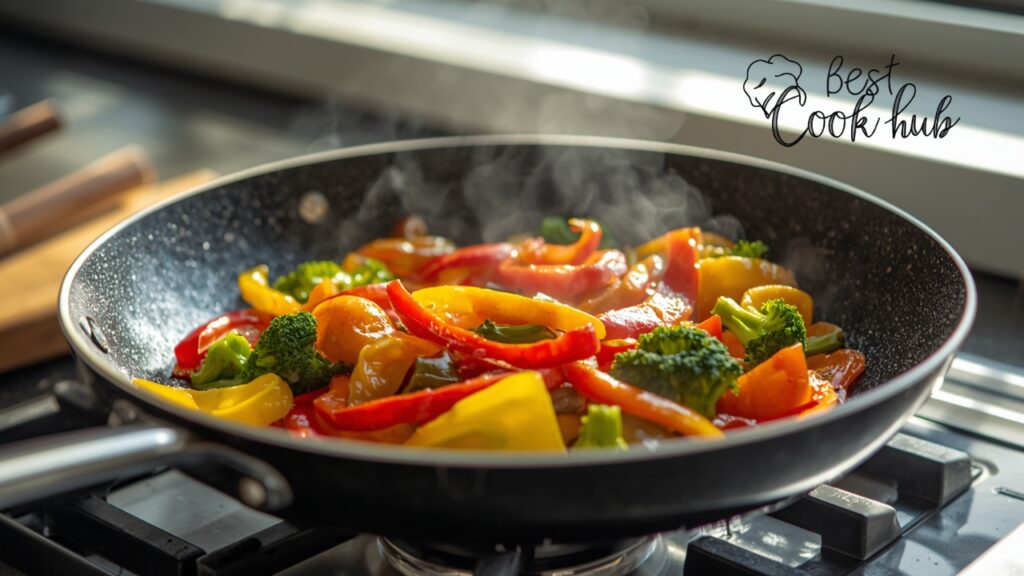
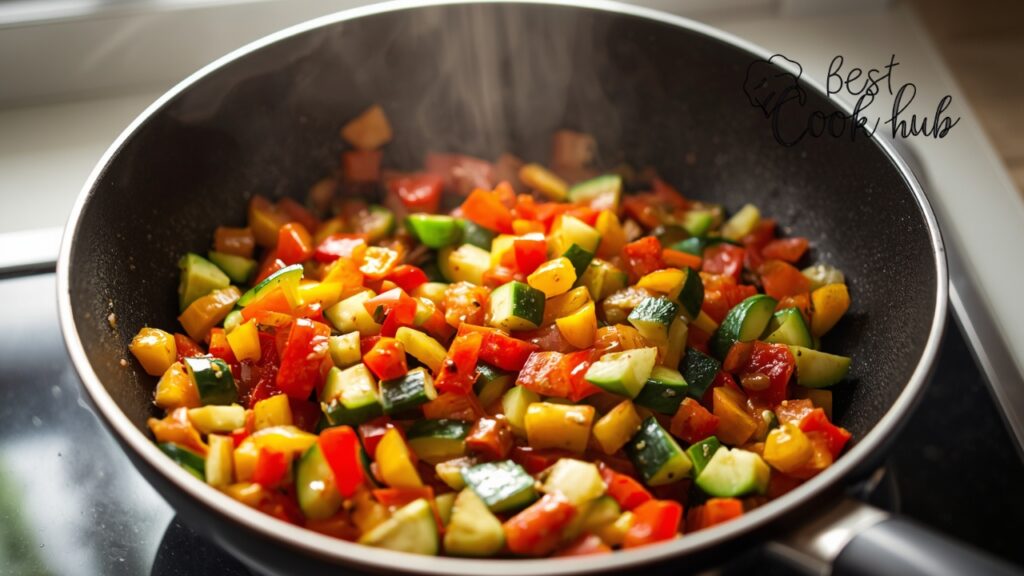
Cut vegetables evenly so they cook at the same speed. Heat the pan on medium heat and add one to two teaspoons of oil. Start with hard vegetables like carrots, beans, or broccoli. Add softer vegetables later. Avoid overcrowding the pan. Too much food creates steam and makes vegetables soggy. Granite pans are especially good for colorful vegetable stir-fries because the surface hides stains well. Ceramic pans also work, but clean them quickly after cooking strong-colored spices.
Cooking Method 5: Low-Oil Chicken Pieces
Cut chicken into small, even pieces. Marinate with salt, pepper, garlic, lemon juice, and a small amount of oil. Preheat the pan on medium heat. Add the chicken and let it cook without constant stirring. Turn pieces when they develop light color. Avoid high heat because sugary marinades can burn and damage the coating. For a deep restaurant-style sear, use stainless steel or cast iron instead. Ceramic and granite pans are better for gentle browning and easy cleanup.
Cleaning and Maintenance Tips
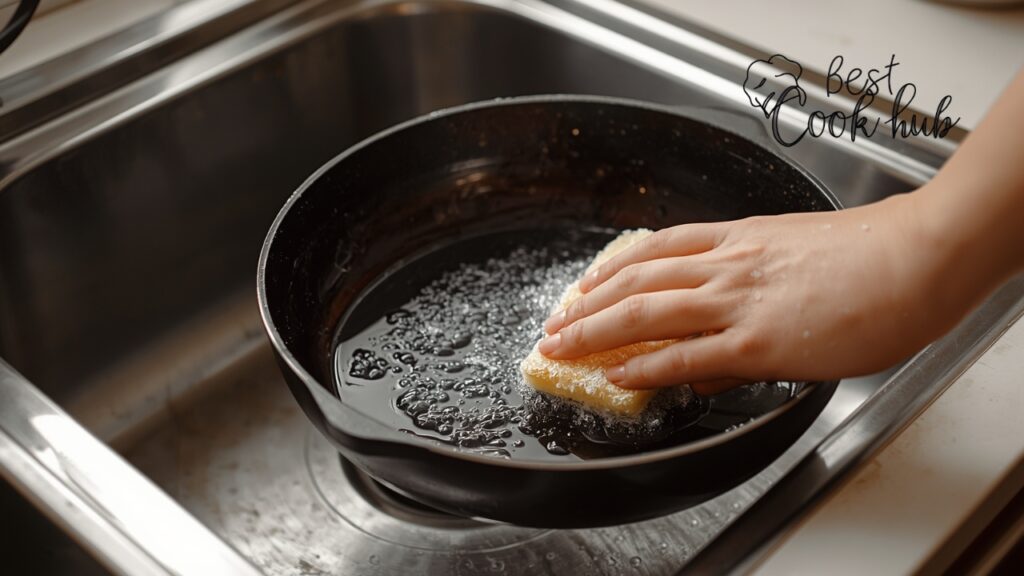
Let the pan cool before washing. Pouring cold water into a hot pan can shock the surface and affect the coating. Use a soft sponge, mild dish soap, and warm water. Avoid steel wool, harsh scrubbers, and abrasive powders. Do not stack pans without protection. Place a soft cloth, paper towel, or pan protector between them.
Use silicone, wood, or nylon utensils. Metal spatulas may scratch the surface. Avoid cooking sprays if the manufacturer warns against them. Some sprays can leave sticky residue that becomes hard to clean. Do not put ceramic or granite pans in the dishwasher unless the brand clearly says it is safe. Hand washing is usually better for long-term performance.
Common Mistakes That Ruin Ceramic and Granite Pans
The first mistake is using high heat too often. Nonstick pans are not built for constant high-temperature cooking. The second mistake is using metal utensils. Even if the pan says scratch-resistant, gentle utensils are safer. The third mistake is washing the pan while it is still very hot. Thermal shock can weaken the surface. The fourth mistake is stacking pans carelessly. Scratches often happen inside cabinets, not during cooking. The fifth mistake is keeping a damaged pan too long. If the coating is peeling or food sticks badly, it is time to replace it.
Ceramic vs Granite Pans for Weight and Handling
Ceramic pans are often lightweight, especially if they have an aluminum body. This makes them easy to lift, tilt, and clean. Granite pans can feel slightly heavier depending on the base and coating. Some cooks like this because it feels sturdier.
If you cook for elderly family members or anyone with wrist pain, weight matters. A lighter ceramic pan may be more comfortable. If you want a pan that feels more solid on the stovetop, granite may feel better. Just check the handle comfort before buying.
Ceramic vs Granite Pans for Induction Cooking
Not all ceramic or granite pans work on induction stovetops. Induction cooking requires a magnetic base. If you use induction, check for words like “induction compatible” or “suitable for all cooktops.” You can also test the base with a magnet.
A magnet sticking firmly to the bottom usually means the pan may work on induction. Still, the manufacturer’s label is the safest guide. Many modern ceramic and granite pans now come with induction bases. But cheaper models may only work on gas or electric stoves.
Oven Safety: Can Ceramic and Granite Pans Go in the Oven?
Some ceramic and granite pans are oven safe, but not all. The limit depends on the coating, handle material, lid, and manufacturer instructions. Many nonstick pans have temperature limits. Some handles cannot handle oven heat at all. Never assume a pan is oven safe just because it looks strong. Always check the manual or product label. Also, avoid using nonstick pans under a broiler. Broilers create intense top heat that can damage coatings quickly.
Taste Difference: Does Ceramic or Granite Change Flavor?
Ceramic and granite pans should not add flavor to your food when the coating is intact and used correctly. The flavor difference usually comes from browning, oil, heat level, and cooking method. Stainless steel and cast iron create stronger browning because they handle higher heat better. That browning can add deeper flavor to meat and vegetables.
Ceramic and granite pans are better for clean, gentle cooking. They are not the best choice when you want heavy caramelization. So if your chicken tastes less “restaurant-style” in a ceramic pan, the pan is not failing. It is simply not designed for aggressive searing.
Price Comparison: Which One Gives Better Value?
Ceramic pans can range from budget to premium. Stylish ceramic cookware sets often cost more because of design, branding, and health-focused marketing. Granite pans are often available at affordable prices. Many families choose granite cookware because it looks premium without being extremely expensive.
But value is not only about purchase price. A cheaper pan that wears out in six months may cost more over time. Look for a thick base, comfortable handle, clear safety label, good reviews, and realistic warranty. These details matter more than the word ceramic or granite.
Which One Is Better for Beginners?
For beginners, granite pans may feel slightly easier. They are forgiving, stain-resistant in appearance, and good for everyday meals. Ceramic pans are also beginner-friendly but need more careful cleaning and heat control. A white ceramic surface can show stains quickly.
If you are learning to cook eggs, pancakes, and vegetables, either pan works. Just remember: medium heat is your friend. If you often forget pans on the stove, avoid expensive nonstick cookware. High heat and empty preheating can ruin both ceramic and granite pans.
Which One Is Better for Healthy Cooking?
Ceramic pans are usually the better choice for buyers focused on PTFE-free cookware. Many ceramic brands clearly market their cookware as free from PTFE and PFOA. Granite pans can also be safe and useful, but you need to check the coating details. Some granite-style pans may still use PTFE-based nonstick coating.
For low-oil cooking, both are good. A smooth nonstick surface can reduce the need for extra fat. For long-term “clean cookware,” many experts still recommend stainless steel, cast iron, carbon steel, and fully ceramic options. But for easy daily nonstick cooking, ceramic and granite remain practical.
Buying Checklist: How to Choose the Right Pan
Before buying, ask yourself these questions. Do I cook mostly eggs, pancakes, and light foods? Choose ceramic. Do I cook spicy, colorful, everyday family meals? Choose granite. Do I want PTFE-free cookware? Check ceramic labels carefully. Do I need induction compatibility? Check the base.
Do I want oven use? Check the temperature limit. Do I hate visible stains? Granite may be better. Do I prefer a modern clean kitchen look? Ceramic may be better. Do I need long-term durability above everything? Consider stainless steel, cast iron, or carbon steel instead.
Ceramic vs Granite Pans: Final Verdict
Choose ceramic pans if you want a clean-looking, health-focused, PTFE-free style of nonstick cookware. They are excellent for eggs, pancakes, fish, tofu, and low-oil cooking. Choose granite pans if you want a practical everyday nonstick pan that hides stains, looks sturdy, and works well for busy family meals. They are great for stir-fries, flatbread reheating, eggs, vegetables, and quick chicken dishes.
Neither pan is perfect for high-heat searing. Neither pan should be scratched, overheated, or cleaned harshly. The best choice depends on your cooking habits. A careful breakfast cook may love ceramic, while a busy family cook may prefer granite. If you want my personal kitchen answer, I would keep one ceramic pan for eggs and delicate foods, and one granite pan for everyday spicy cooking. That combination covers most home cooking needs beautifully.
Final Cooking Confidence Note
Choosing between ceramic and granite pans does not need to feel confusing. Think about your real cooking habits, not just the product label. If your kitchen is full of eggs, pancakes, fish, and light meals, ceramic is a smart choice. If your kitchen is full of spices, stir-fries, reheated flatbreads, and busy family dinners, granite may feel more practical.
The pan will not make you a better cook overnight, but the right pan will make cooking easier, cleaner, and more enjoyable. And when cooking feels easier, you cook at home more often — that is where the real win begins.
Leave a Reply