A Real Kitchen Moment That Explains This Debate
I remember when a home cook in one of my kitchen workshops brought two chef’s knives to the prep table. One was a heavy forged chef’s knife with a thick bolster and full tang. The other was a lighter stamped kitchen knife with a thin stainless steel blade. She held both and asked, “Which one is actually better?” That question comes up all the time.
In my years of experience, I’ve seen many people struggle with knife shopping because brands make everything sound premium. Forged steel, stamped steel, full tang, bolster, edge retention, Rockwell hardness, German knife, Japanese knife — it can feel like you need a culinary degree just to buy a chef’s knife.
Does this sound familiar? The truth is simple: forged knives and stamped knives are made differently, feel different in the hand, and suit different cooking styles. One is not always better than the other. The better question is: which knife makes your cooking easier, safer, faster, and more enjoyable? That is what this guide will help you decide.
What Are Forged Knives?
A forged knife is usually made from a single piece of steel that is heated, shaped, compressed, and finished into a blade. Traditional forging involved a blacksmith hammering hot steel into shape. Today, many forged kitchen knives are made with a mix of machine forging, heat treatment, grinding, polishing, and hand finishing.
Have you ever picked up a knife and immediately felt that it had weight, balance, and authority? That is often the feeling people describe with a forged chef’s knife.Forged knives commonly have a thicker spine, a full tang, and sometimes a bolster between the blade and handle. These features can make the knife feel sturdy and controlled during chopping, slicing, and rocking cuts.
What Are Stamped Knives?
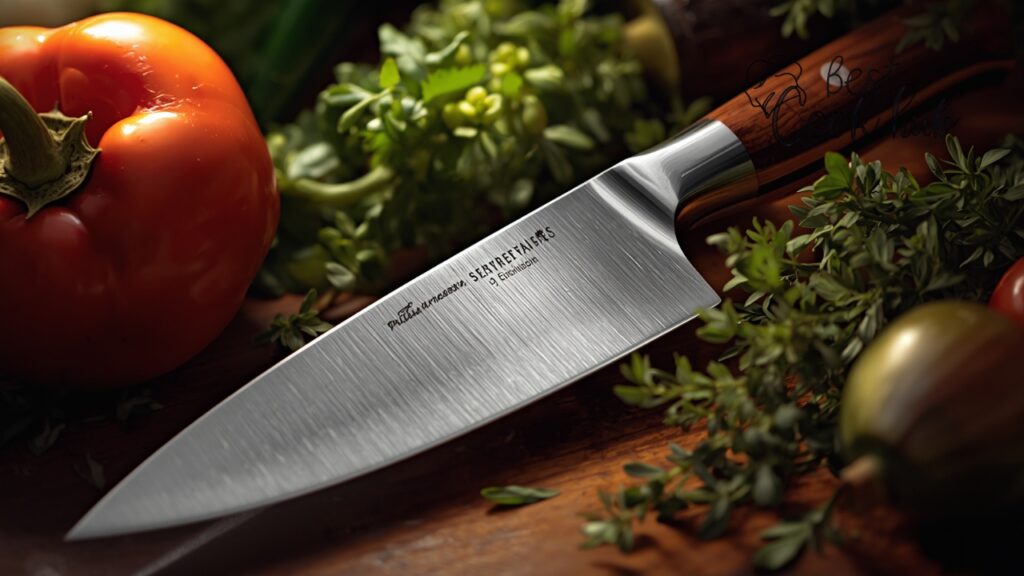
A stamped knife is cut from a large sheet of steel. Think of it like cutting a cookie shape from dough, except the “dough” is a sheet of blade steel. After cutting, the blade is heat-treated, sharpened, polished, and fitted with a handle. Stamped knives are usually lighter and thinner than forged knives.
Have you ever used a knife that felt quick, flexible, and easy to move through onions, herbs, or boneless chicken? That may have been a stamped kitchen knife. Many budget knife sets use stamped blades, but do not let that fool you. Some professional kitchens use stamped knives every day because they are light, affordable, easy to sharpen, and efficient for high-volume prep.
Forged vs Stamped Knives: Quick Comparison
Here is the simple difference before we go deeper.
| Feature | Forged Knives | Stamped Knives |
| Manufacturing | Heated and shaped from steel | Cut from a steel sheet |
| Weight | Usually heavier | Usually lighter |
| Balance | Often handle-to-blade balanced | Often blade-light and agile |
| Bolster | Common | Less common |
| Full Tang | Common in premium models | Varies by model |
| Blade Thickness | Usually thicker | Usually thinner |
| Flexibility | Less flexible | More flexible |
| Edge Retention | Often strong | Depends on steel and heat treatment |
| Price | Usually higher | Usually more affordable |
| Best For | Heavy prep, rocking cuts, durability | Fast prep, light tasks, budget-friendly cooking |
But here is the catch. A cheap forged knife can perform worse than a well-made stamped knife. Surprised? That is why you should never choose a knife based only on the word “forged” or “stamped.”
Why the Manufacturing Method Matters
The way a knife is made affects weight, shape, balance, durability, and price. Forged knives usually require more steps. The steel is heated, shaped, hardened, ground, and finished. Stamped knives are usually faster to produce. That lower production cost often makes them more affordable.
Does that mean stamped knives are low quality? Not always. Modern heat treatment has improved stamped knives a lot. A good stamped knife from a reputable brand can hold an edge well, feel comfortable, and handle daily kitchen prep beautifully. The manufacturing method matters, but it is only one part of the story. Steel quality, blade geometry, heat treatment, handle design, sharpening angle, and your cooking habits matter just as much.
The Biggest Difference: Weight and Feel
This is where most home cooks notice the difference first. Forged knives usually feel heavier in the hand. That weight can help when cutting dense foods like butternut squash, carrots, cabbage, pumpkin, or sweet potatoes. Have you ever pressed down on a tough vegetable and felt your knife wobble? A heavier forged chef’s knife may feel more secure for that job.
Stamped knives usually feel lighter. That can be a blessing when you are slicing herbs, trimming meat, cutting fruit, or prepping for 30 minutes straight. If your wrist gets tired easily, a lighter stamped knife may feel more comfortable. This is why testing the knife in your hand is so important. A knife is not just a tool. It becomes an extension of your hand.
Balance: Why Some Knives Feel “Right”
Balance is one of the most underrated parts of the forged vs stamped knives debate. A well-balanced knife does not feel like the blade is pulling you forward or the handle is dragging you backward. It feels controlled. Forged knives often balance near the bolster or where the blade meets the handle. That can make rocking cuts feel smooth. Stamped knives are often lighter toward the front, which can make them feel faster and more agile.
Which one is better? Ask yourself this: do you like a knife that does some of the work through weight, or do you prefer a knife that moves quickly with less effort? There is no wrong answer. Your hand will usually tell you the truth before your brain does.
Bolster: Helpful Feature or Annoying Extra?
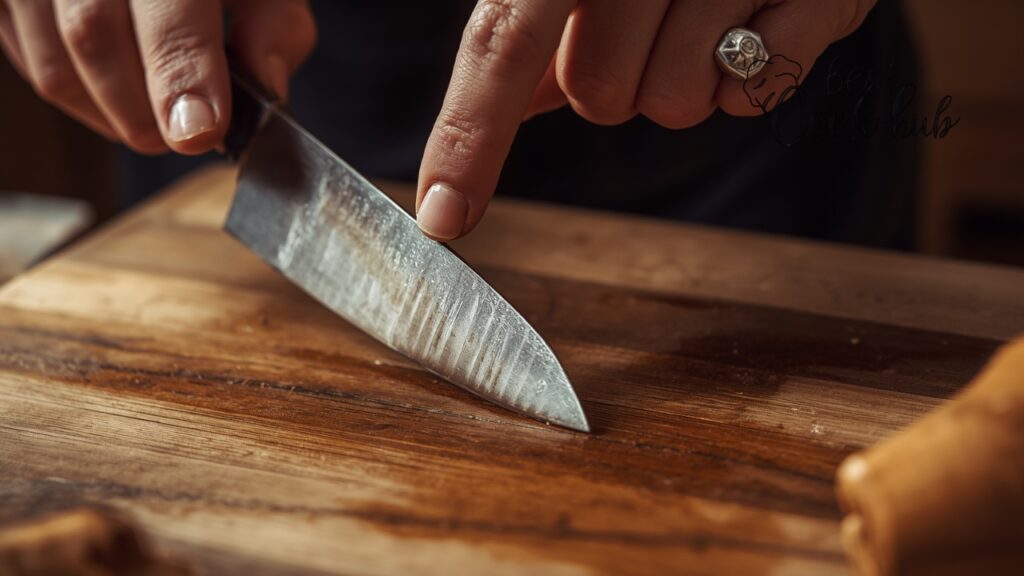
A bolster is the thick metal area between the blade and handle. Many forged knives have a bolster. It can add strength, balance, and finger protection. For beginners, that extra metal can feel reassuring. But not every cook loves a full bolster. Why?
Because a thick bolster can make sharpening harder near the heel of the blade. Over time, the blade edge may sharpen unevenly if the bolster gets in the way. Stamped knives often have no bolster or a smaller bolster. That makes them easier to sharpen from heel to tip. If you cook daily and sharpen your own knives, this detail matters more than you may think.
Full Tang: What It Means and Why Cooks Care
A full tang means the metal of the blade continues all the way through the handle. This usually makes the knife feel stronger and more stable. Many premium forged knives have a full tang. You can often see the steel running between handle scales. Some stamped knives also have good tang construction, but many budget stamped knives have partial tangs.
Does every home cook need a full tang? Not always. If you are chopping bones, cutting hard squash, or using your knife heavily every day, a full tang can add confidence. If you mainly chop herbs, tomatoes, cucumbers, fruit, and cooked meat, a well-made stamped knife can still serve you well.
Edge Retention: Which Knife Stays Sharp Longer?
Edge retention means how long a knife stays sharp during normal use. Forged knives often have a reputation for better edge retention. That is partly because many forged knives use high-quality steel and careful heat treatment. But the word “forged” alone does not guarantee long-lasting sharpness.
Have you ever bought an expensive knife that became dull quickly? That can happen if the steel is soft, the edge angle is poor, or the knife is used on the wrong cutting board. Stamped knives can also hold an edge well if they use good stainless steel or high-carbon steel. The real factors are blade material, heat treatment, hardness, edge angle, cutting surface, and care habits.
Sharpness vs Edge Retention: They Are Not the Same
A knife can be very sharp out of the box but lose that sharpness quickly. Another knife may not feel razor-like at first but may keep its working edge longer. Sharpness is the starting point. Edge retention is how long that sharpness lasts.
If you cook often, edge retention matters. If you cook occasionally, comfort and easy sharpening may matter more. For most home cooks, a knife that is easy to maintain is better than a knife that sounds impressive but sits unused in a drawer.
Blade Thickness and Cutting Performance
Forged knives are often thicker. That thickness can feel strong and stable, especially for heavy chopping. It can also make the knife less delicate when cutting dense food. Stamped knives are usually thinner. A thin blade can glide through onions, tomatoes, boneless fish, herbs, and fruit with less resistance.
Have you ever sliced a tomato and watched the skin crush instead of cut? That is usually a sharpness and blade geometry problem. A thin, sharp stamped knife can outperform a thick forged knife on delicate slicing tasks. For heavy chopping, forged may feel better. For quick slicing, stamped may feel better.
Durability: Which Knife Lasts Longer?
A good forged knife can last for decades with proper care. That is one reason many cooks see forged knives as investment pieces. They feel solid, dependable, and long-lasting. But stamped knives can also last for years if they are made well and maintained properly. The durability question should not be “forged or stamped?”
It should be: “Is this knife made with good steel, proper heat treatment, a comfortable handle, and a reliable edge?” A poorly maintained forged knife will not beat a well-maintained stamped knife. Care always matters.
Price: Why Forged Knives Usually Cost More
Forged knives often cost more because the manufacturing process is more labor-intensive. They may require more shaping, grinding, finishing, and quality control. Premium forged knives may also use better steel and more refined handles.
Stamped knives are usually less expensive because they are easier and faster to produce. That makes stamped knives great for beginners, students, busy families, and anyone building a kitchen on a budget.
Does a higher price always mean a better knife? No. I have seen $30 knives outperform $150 knives in real home kitchens because they were sharper, lighter, and better suited to the cook’s hand. Buy the knife that works, not the knife that only looks impressive.
Best Cooking Tasks for Forged Knives
Forged knives shine when you want power, stability, and control. They are excellent for chopping carrots, mincing garlic, slicing meat, cutting cabbage, breaking down large vegetables, and using a rocking motion on herbs. If you like a German-style chef’s knife, you may enjoy the heavier feel of forged construction.
Forged knives also suit cooks who want one reliable all-purpose kitchen knife. Do you cook big family meals, prep lots of vegetables, or want a knife that feels strong? A forged chef’s knife could be your best friend.
Best Cooking Tasks for Stamped Knives
Stamped knives shine when you want speed, lightness, and easy movement. They are great for slicing fruit, trimming boneless chicken, chopping herbs, cutting sandwiches, prepping salads, and working for long periods without wrist fatigue.
Many professional prep cooks appreciate light knives because they reduce strain during repetitive tasks. If you prefer Japanese-style knives like santoku, gyuto, or nakiri, you may already enjoy thinner and lighter blade geometry. Do you value agility more than weight? A stamped knife may feel more natural in your hand.
Forged Chef’s Knife vs Stamped Chef’s Knife
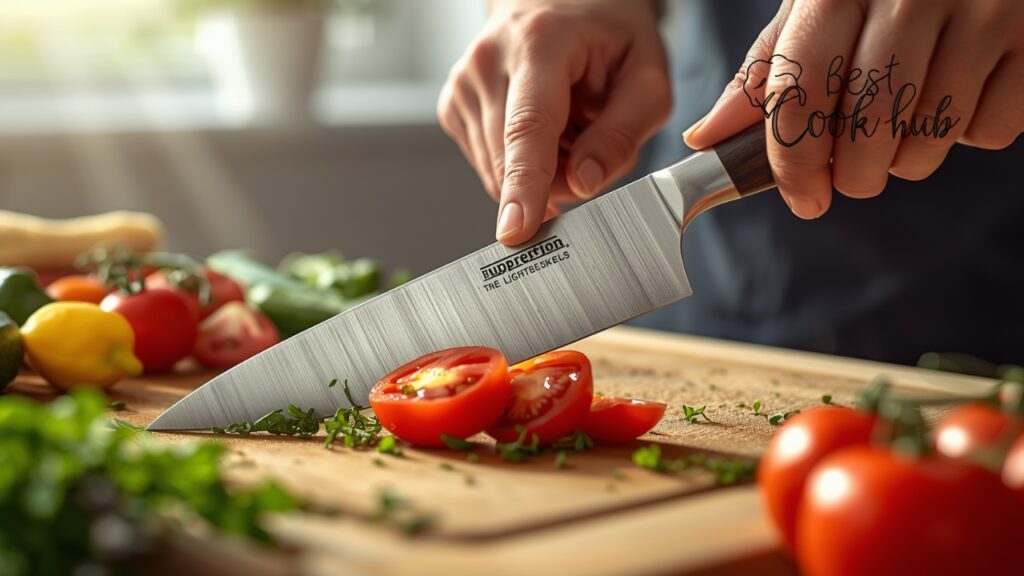
The chef’s knife is where this debate becomes practical. A forged chef’s knife usually gives you weight, balance, and confidence. It feels especially good for rocking cuts, dense vegetables, and heavy prep. A stamped chef’s knife usually gives you lightness, speed, and less fatigue. It can be excellent for everyday cooking when you want fast movement.
Which chef’s knife should you buy? If you are new to cooking, try both if possible. Hold them. Make a few safe cutting motions. Notice your wrist, grip, and control. The best chef’s knife is the one you actually want to use every day.
Forged vs Stamped Santoku Knives
Santoku knives are popular because they feel nimble and versatile. They are designed for slicing, dicing, and mincing. Many santoku knives are thinner than Western chef’s knives. A forged santoku may feel more stable and premium. A stamped santoku may feel lighter and quicker.
If you cook a lot of vegetables, fish, boneless meats, and stir-fry ingredients, a lighter santoku can be very enjoyable. Have you ever wanted a knife that feels less bulky than a classic chef’s knife? A santoku may be the answer.
German Knives vs Japanese Knives in This Debate
German knives are often associated with heavier forged construction, thicker blades, curved edges, and strong durability. Japanese knives are often associated with thinner blades, harder steel, lighter feel, and precise slicing.
But modern knife brands blur these categories. You can find lightweight forged Japanese-style knives and high-quality stamped Western-style knives. So do not make the mistake of thinking forged means German and stamped means cheap. Look at the individual knife. Check the blade thickness, steel type, hardness, handle comfort, and cutting style.
Knife Safety: The Sharp Knife Is Usually Safer
This surprises many beginners. A sharp knife is often safer than a dull knife because it requires less force. A dull knife slips, crushes food, and makes you push harder. That is when accidents happen.
Have you ever tried cutting an onion with a dull knife and felt it skid sideways? That is dangerous. Whether your knife is forged or stamped, keep it sharp. Use a stable cutting board, curl your fingers into a claw grip, and keep your eyes on the blade.
The Pinch Grip: A Simple Cooking Upgrade
If you want better control immediately, learn the pinch grip. Place your thumb and index finger on opposite sides of the blade near the handle. Wrap the remaining fingers around the handle. This grip gives you more control than holding the knife from the back of the handle.
It also helps you guide the blade with confidence. Try it slowly with soft foods first. Start with cucumbers, zucchini, or herbs. Does it feel strange at first? That is normal. After a few cooking sessions, it usually feels much more natural.
Cutting Boards Matter More Than People Think
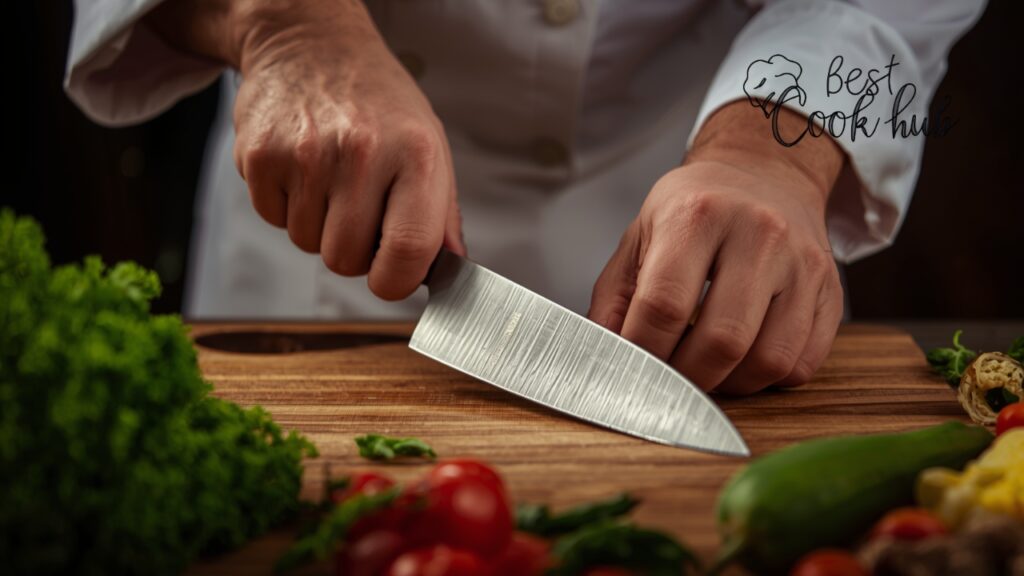
A great knife can become dull quickly on the wrong surface. Avoid glass cutting boards, ceramic plates, marble counters, and metal trays. These surfaces are too hard and can damage the edge. Use wood or plastic cutting boards.
Wood feels gentle on the blade and looks beautiful. Plastic is easy to sanitize and useful for raw meat. Want a simple system? Use wood for vegetables, bread, herbs, and fruit. Use plastic for raw chicken, fish, and meat. That one habit protects both your knife and your kitchen hygiene.
Honing vs Sharpening: Know the Difference
Honing and sharpening are not the same. Honing realigns the edge. Sharpening removes metal to create a new edge. Many home cooks sharpen too rarely and hone incorrectly. A honing rod can help maintain the edge between sharpenings, especially on Western-style stainless steel knives.
But if your knife is truly dull, honing will not fix it. You need sharpening. Use a whetstone, guided sharpener, or professional sharpening service. If you are nervous about sharpening, start with a less expensive knife and practice slowly.
You can check: How Long Do Knife Sharpeners Last?
How to Care for Forged Knives
Forged knives deserve careful maintenance. Wash them by hand with mild soap. Dry them immediately with a towel. Never throw them in the dishwasher. Dishwasher heat, detergent, and movement can damage the handle and edge.
Store forged knives in a sheath, knife roll, magnetic strip, or knife block that does not scrape the blade. Avoid twisting the blade in hard food. Even strong knives can chip or bend if abused.
How to Care for Stamped Knives
Stamped knives also need proper care. Because they are often thinner, avoid using them for prying, twisting, cutting frozen food, or chopping bones. Wash and dry them by hand. Store them safely so the edge does not hit other utensils.
A stamped knife can stay sharp and useful for a long time if you treat it like a precision tool. Do not think of stamped as disposable. A good stamped knife can become your everyday workhorse.
Common Mistakes People Make When Buying Knives
The first mistake is buying a huge knife set. Most home cooks do not need 15 knives. You usually need a chef’s knife, paring knife, bread knife, and maybe a utility knife or santoku. The second mistake is choosing looks over comfort. A beautiful handle is nice, but if it slips when wet, it is not practical.
The third mistake is ignoring weight. A knife that feels powerful for 30 seconds may feel tiring after 30 minutes. The fourth mistake is assuming forged is always better. A well-designed stamped knife can be excellent. The fifth mistake is never sharpening. Even the best knife becomes frustrating when dull.
My Simple 5-Minute Knife Buying Test
When someone asks me which knife to buy, I suggest a simple test. First, hold the knife in a pinch grip. Does the handle feel secure? Second, check the weight. Does it feel balanced or tiring? Third, look at the blade thickness. Do you want power or precision? Fourth, imagine your weekly cooking.
Do you chop dense vegetables, slice meat, prep salads, or cook quick meals? Fifth, check whether you can maintain it. Will you sharpen it, wash it by hand, and store it properly? If the answer is yes, you are choosing wisely.
Case Study: Two Home Cooks, Two Different Best Knives
Let’s imagine two cooks. Maya cooks large family dinners three times a week. She cuts potatoes, carrots, onions, squash, cabbage, and meat. She likes a knife with weight. For Maya, a forged chef’s knife with a full tang and comfortable bolster may be the better choice.
Now meet Daniel. Daniel meal-preps salads, chicken breast, fruit, herbs, and sandwiches. He cooks fast after work and hates wrist fatigue. For Daniel, a lightweight stamped chef’s knife may be better.
Same kitchen tool category. Different cooking habits. Different best choice. Have you thought about which cook sounds more like you? That question will guide you better than any marketing label.
What Professional Kitchens Teach Us
Professional kitchens are practical places. Cooks care about speed, safety, consistency, and easy maintenance. You will find forged knives in professional kitchens, especially among chefs who love weight and balance. You will also find stamped knives because they are light, affordable, and easy to replace or sharpen.
That should tell you something important. Real cooks do not choose based only on prestige. They choose based on performance. If a knife helps them prep faster and safer, it earns a place on the board.
Cooking Tip: Match Knife Style to Cutting Method
Use a forged chef’s knife for rocking cuts. The curved blade and extra weight can help you mince herbs, garlic, and onions smoothly. Use a lighter stamped knife for push cuts and pull cuts. This works well for tomatoes, cucumbers, fish, and boneless meat. Use a serrated bread knife for crusty bread, not your chef’s knife. Use a paring knife for peeling, trimming, and small handwork.
Does your knife feel awkward? It may not be your skill. It may simply be the wrong knife for that cutting method.
Cooking Tip: Use the Right Knife for Onions
Onions reveal knife quality quickly. A sharp forged or stamped chef’s knife should slice cleanly without crushing. If your eyes water heavily, your knife may be dull and crushing onion cells instead of cutting cleanly. Use a sharp edge, stable board, and smooth motion.
Cut the onion in half, peel it, make lengthwise cuts, then cross-cut into dice. A balanced forged knife may help with control. A thin stamped knife may glide more easily. Both can work beautifully when sharp.
Cooking Tip: Use a Thin Blade for Tomatoes
Tomatoes punish dull knives. A thick dull blade crushes the tomato before breaking the skin. A thin stamped knife can be excellent here because it moves through delicate produce with less resistance. A sharp forged knife can also do the job well.
Want to test your knife? Try slicing a ripe tomato without pressing hard. If the blade enters smoothly, your knife is in good shape. If it slides on the skin, it needs sharpening.
Cooking Tip: Use Weight for Dense Vegetables
Dense vegetables are where forged knives often feel helpful. Carrots, squash, pumpkin, cabbage, and sweet potatoes require stability. The weight of a forged knife can help reduce effort.
But use caution. Never force the knife blindly. If a blade gets stuck in squash, do not twist it aggressively. Rock gently, use a stable board, and keep your guiding hand away from the blade path.
Should Beginners Choose Forged or Stamped?
Beginners should choose comfort first. A beginner with a comfortable stamped knife will cook better than a beginner with an expensive forged knife that feels too heavy. If you are still learning knife skills, a lighter stamped knife can build confidence.
If you like stability and want one long-term chef’s knife, a forged option can be worth it. Start with one good chef’s knife. Then add other knives only when your cooking habits demand them.
Should Serious Home Cooks Choose Forged or Stamped?
Serious home cooks can benefit from either. If you cook daily and enjoy classic prep work, a forged chef’s knife may feel satisfying. If you cook quickly and value precision, a stamped or thinner Japanese-style knife may be more enjoyable. Many experienced cooks own both. That may be the smartest answer. Use a forged knife for heavy prep. Use a stamped knife for light, fast slicing. Why force one knife to do every job?
Are Forged Knives Better for Meat?
Forged knives can be excellent for meat because they feel stable and strong. They work well for slicing cooked roasts, trimming large cuts, and cutting firm proteins. But for delicate fish, boneless chicken, or thin slicing, a lighter stamped knife can work better.
If you break down poultry often, blade shape matters more than forged vs stamped. A chef’s knife, boning knife, or utility knife can each serve different meat tasks. Choose the shape first. Then think about construction.
Are Stamped Knives Good for Vegetables?
Yes, stamped knives can be excellent for vegetables. Thin blades are great for cucumbers, tomatoes, herbs, onions, mushrooms, peppers, zucchini, and leafy greens. For very hard vegetables, some stamped knives may feel too flexible or light.
That does not mean they are bad. It means they have a different strength. If you prep lots of salads, a good stamped knife may feel faster and cleaner than a heavier forged knife.
Best Knife Setup for Most Home Kitchens
Here is a practical setup. Start with one 8-inch chef’s knife or santoku. Add a paring knife for small tasks. Add a serrated bread knife for bread, cakes, tomatoes, and sandwiches. That is enough for most kitchens.
If you cook a lot of meat, add a boning knife. If you cook a lot of vegetables, add a nakiri or second lightweight prep knife. You do not need a giant block full of knives you never touch. You need a few good knives that feel safe and sharp.
How to Decide: Forged vs Stamped Knives
Choose a forged knife if you want weight, balance, strength, and a premium feel. Choose a stamped knife if you want lightness, speed, affordability, and easy movement.
Choose forged if you often cut dense vegetables or want a classic chef’s knife feel. Choose stamped if you prep quickly, have smaller hands, dislike heavy knives, or cook for shorter sessions. Still unsure? Go to a kitchen store and hold both. Your hand will usually know.
Final Buying Checklist
Before buying any knife, ask these questions. Does it feel comfortable in my hand? Is the blade sharp and well-finished? Is the handle secure when dry and slightly wet? Is the weight right for my wrist? Can I sharpen and maintain it? Does it match the food I cook most often? Does it fit my budget without making me afraid to use it? If you answer yes, you are on the right track.
Final Takeaway: The Best Knife Is the One You Trust
Forged vs stamped knives is not a battle where one side always wins. Forged knives offer weight, strength, balance, and durability. Stamped knives offer lightness, agility, value, and comfort.
The best knife is the one that makes you feel confident at the cutting board. When your knife feels right, cooking becomes smoother. You chop faster. You waste less food. You feel safer. And yes, dinner becomes more enjoyable. So do not buy only the label. Buy the knife that fits your hand, your food, and your cooking life.
Frequently Asked Questions About Forged vs Stamped Knives
Are forged knives always better than stamped knives?
A high-quality stamped knife can outperform a cheap forged knife. Steel quality, heat treatment, blade design, sharpness, and comfort matter more than the label alone.
Do forged knives stay sharp longer?
Still, stamped knives can also stay sharp if they are well-made and properly maintained. Cutting board choice, sharpening habits, and storage make a big difference.
Are stamped knives bad quality?
Many stamped knives are affordable, lightweight, sharp, and useful for everyday cooking. Some professional kitchens use them because they are practical and efficient.
Which knife is better for beginners?
For many beginners, a lighter stamped knife is easier to control. For others, a forged knife feels more stable and confidence-building.
Why are forged knives more expensive?
They often involve heating, shaping, grinding, finishing, and more material. That extra work can raise the price.
Leave a Reply