The Kitchen Moment That Teaches You Fast
I remember when I first watched a beginner cook try to make scrambled eggs in a small saucepan. The eggs cooked, yes, but they stuck to the sides, steamed instead of frying, and turned into soft lumps instead of creamy curds. Does this sound familiar? A few minutes later, the same person tried to heat tomato sauce in a wide skillet. The sauce reduced too quickly, splattered everywhere, and created more mess than dinner. Have you ever picked the wrong pan and wondered why the recipe suddenly became harder?
That is where the real difference between saucepan and skillet becomes important. A saucepan and a skillet may both sit on the stovetop, but they are built for very different cooking jobs. One is designed for liquids, simmering, boiling, and sauces. The other is designed for browning, frying, searing, sautéing, and quick high-heat cooking.
In my years of experience watching home cooks improve, I have seen one simple change create better results: using the right pan before changing the recipe. Sometimes the problem is not your recipe. Sometimes the problem is your cookware. So, let’s break it down in a simple, practical, and confident way. By the end of this guide, you will know exactly when to use a saucepan, when to use a skillet, and how each one can help you cook better food with less stress.
What Is a Saucepan?
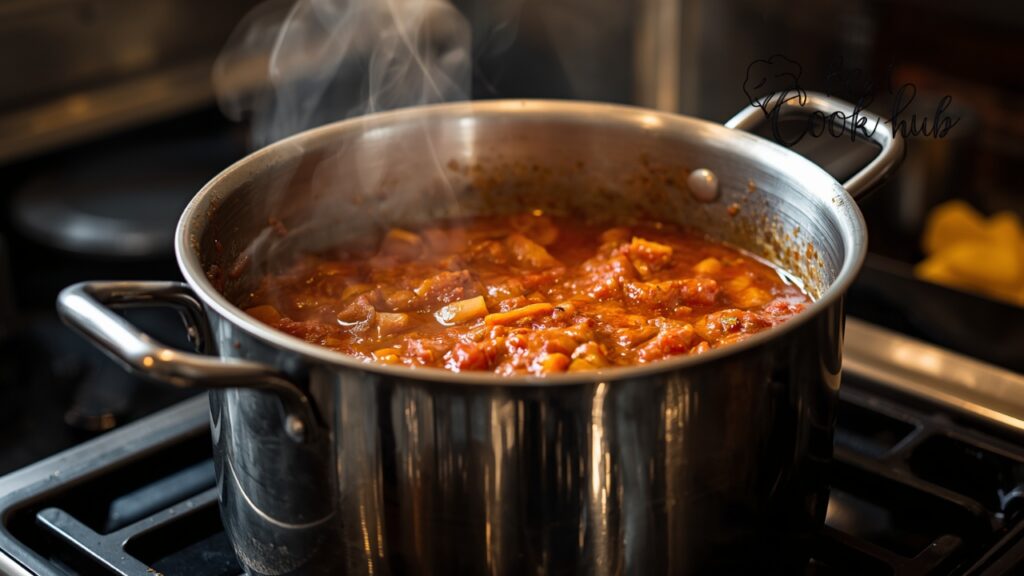
A saucepan is a deep cooking vessel with tall sides, a flat bottom, one long handle, and usually a lid. It is commonly used for cooking liquid-based foods like sauces, soups, oatmeal, rice, pasta, custard, gravy, boiled eggs, and hot drinks. When people talk about saucepan uses, they usually mean slow, controlled, liquid-friendly cooking.
Have you ever made tea, boiled milk, cooked rice, or warmed soup? Then you have probably used a saucepan. The tall sides are the main reason a saucepan works so well with liquids. When water, milk, broth, or sauce bubbles, the higher walls help keep everything inside the pan. This is why a saucepan is much better than a skillet for simmering soup, boiling pasta in small portions, or reducing a sauce slowly.
A saucepan usually comes in sizes like 1 quart, 2 quart, 3 quart, or 4 quart. For everyday home cooking, a 2-quart or 3-quart saucepan is one of the most useful options. It is big enough for sauces, grains, oatmeal, boiled eggs, reheating curry, or making small batches of soup.
What Is a Skillet?
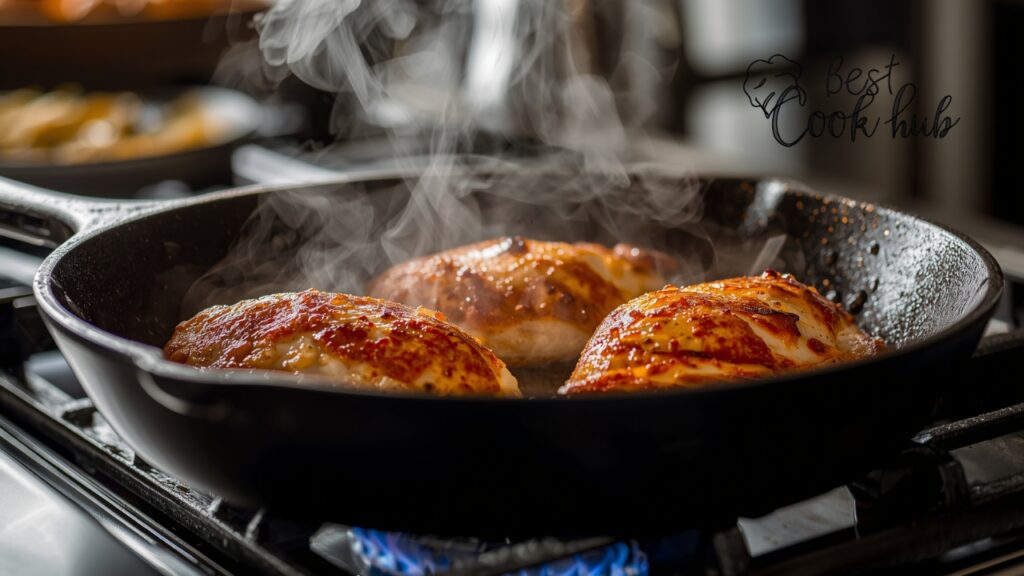
A skillet is a wide, shallow pan with sloped or slightly curved sides and one long handle. It is made for cooking foods that need direct contact with heat. Think fried eggs, pancakes, chicken breast, steak, fish fillets, sautéed vegetables, grilled sandwiches, hash browns, and stir-fried ingredients.
Does your recipe ask you to brown, sear, fry, crisp, or sauté something? That is usually a skillet job. The wide cooking surface gives food room to spread out. When food has enough space, moisture evaporates faster, the surface browns better, and you get that golden color everyone loves.
This is why a skillet is much better than a saucepan for frying eggs, searing chicken, crisping potatoes, or browning onions. Skillets are often made from stainless steel, cast iron, carbon steel, aluminum, ceramic nonstick, or traditional nonstick materials. A 10-inch skillet is great for one or two people. A 12-inch skillet is better for families or larger meals.
The Main Difference Between Saucepan and Skillet
The main difference between saucepan and skillet is shape and cooking purpose. A saucepan is deep with tall sides, so it is best for liquids and slow cooking. A skillet is wide and shallow, so it is best for dry heat cooking like frying, browning, searing, and sautéing. Think of it like this.
A saucepan controls liquid. A skillet controls surface heat. That one sentence can save you from many kitchen mistakes. If your food needs to bubble, simmer, boil, or stay covered in liquid, choose a saucepan. If your food needs color, crisp texture, caramelization, or quick heat, choose a skillet.
Saucepan vs Skillet: Quick Comparison Table
| Feature | Saucepan | Skillet |
| Shape | Deep with tall sides | Wide and shallow |
| Best For | Sauces, soups, boiling, grains | Frying, searing, sautéing, browning |
| Liquid Capacity | High | Low |
| Heat Style | Gentle, controlled heat | Direct, high surface heat |
| Lid Use | Usually comes with lid | May or may not have lid |
| Food Movement | Stirring | Tossing, flipping, turning |
| Best Texture Result | Soft, tender, saucy | Crispy, browned, golden |
| Common Sizes | 1 to 4 quarts | 8 to 12 inches |
| Beginner Friendly? | Yes | Yes |
| Essential for Kitchen? | Yes | Yes |
Why Shape Matters So Much in Cooking
Have you ever wondered why chefs care so much about pan shape? It is not just about looks. Shape changes how heat, steam, moisture, and food behave. A saucepan has tall sides, so steam stays closer to the food. This helps food cook gently and evenly in liquid. A skillet has a wide base, so moisture escapes quickly. This helps food brown instead of steam.
That is why chicken cooked in a crowded or deep pan often turns pale and watery. It is not because the chicken is bad. It is because the pan trapped too much moisture. If you want browning, you need space and evaporation. A skillet gives you both. If you want simmering, softening, and liquid control, you need height and capacity. A saucepan gives you that.
Best Uses for a Saucepan
A saucepan is one of the most practical pans in any kitchen. It may not look exciting, but it handles many daily cooking tasks. If you cook breakfast, lunch, dinner, or even late-night noodles, a saucepan earns its place.
1. Making Sauces
The name says it clearly: saucepan.
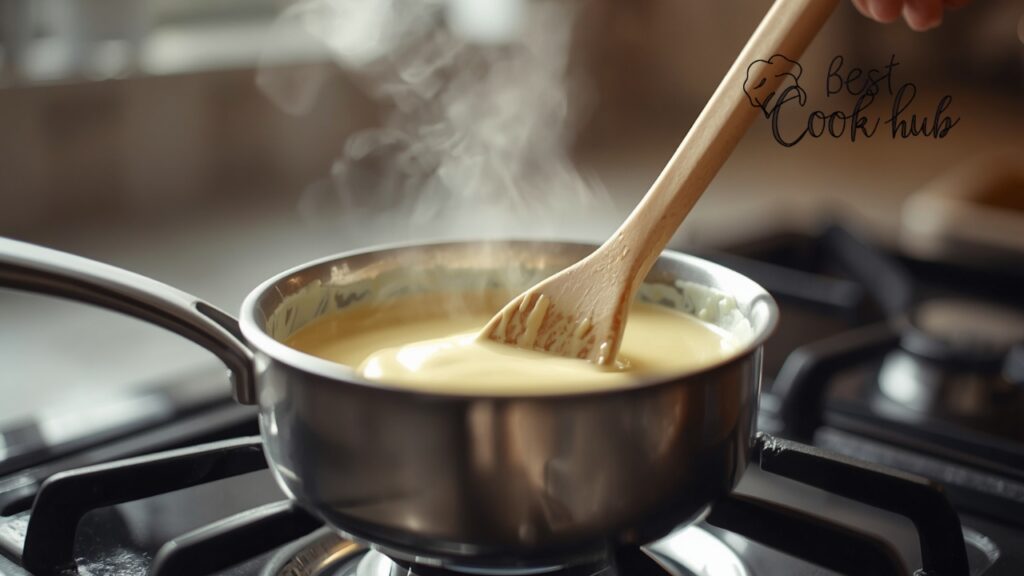
It is perfect for tomato sauce, cheese sauce, white sauce, curry base, chocolate sauce, caramel sauce, and gravy. The tall sides help stop splatter, while the smaller surface area slows evaporation. Have you ever made sauce in a wide pan and watched it dry out too fast? That is when a saucepan would have helped. For smooth sauces, use medium or medium-low heat. Stir often so the sauce does not stick to the bottom.
2. Boiling Water
A saucepan is ideal for boiling small amounts of water. You can use it for eggs, tea, instant noodles, small pasta portions, blanching vegetables, or warming stock. The deep shape keeps bubbling water contained better than a skillet. A lid also helps water boil faster because it traps heat.
3. Cooking Rice and Grains
Rice, quinoa, oats, couscous, and small portions of pasta cook well in a saucepan. The straight sides and lid help maintain steam, which is important for grains. If the pan is too wide, water may evaporate too quickly before the grain becomes tender. For rice, use a heavy-bottomed saucepan when possible. A thin pan can create hot spots, and hot spots can burn the bottom layer.
4. Reheating Soups and Curries
Saucepans are excellent for reheating liquid-based meals. Soup, lentils, curry, stew, chili, and dal warm evenly when stirred over gentle heat. The tall sides keep the food from spilling during stirring. Does your soup often splatter in the microwave? Try reheating it in a saucepan over low heat. The texture usually comes out better.
5. Making Custards and Puddings
Custard, pudding, pastry cream, and hot chocolate need controlled heat. A saucepan gives you that control. Use low heat and keep stirring to prevent curdling or scorching. This is where patience matters. High heat may save time, but it can ruin delicate dairy-based recipes.
Best Uses for a Skillet
A skillet is the pan you reach for when you want flavor, browning, crisp edges, and fast cooking. It turns simple ingredients into satisfying meals because it allows direct contact with heat. This is where texture and color come alive.
1. Frying Eggs
Eggs are one of the easiest ways to understand skillet cooking. A skillet gives eggs a wide, flat surface. This allows the whites to set evenly while the edges become slightly crisp if you like them that way. A saucepan is too deep for fried eggs. The eggs will steam more than fry.
2. Searing Meat
Steak, chicken thighs, pork chops, fish fillets, and paneer all benefit from a skillet. The wide base allows the food to touch the hot surface directly. That contact creates browning, and browning creates flavor. Want a better crust? Pat the food dry before placing it in the skillet. Moisture is the enemy of browning.
3. Sautéing Vegetables
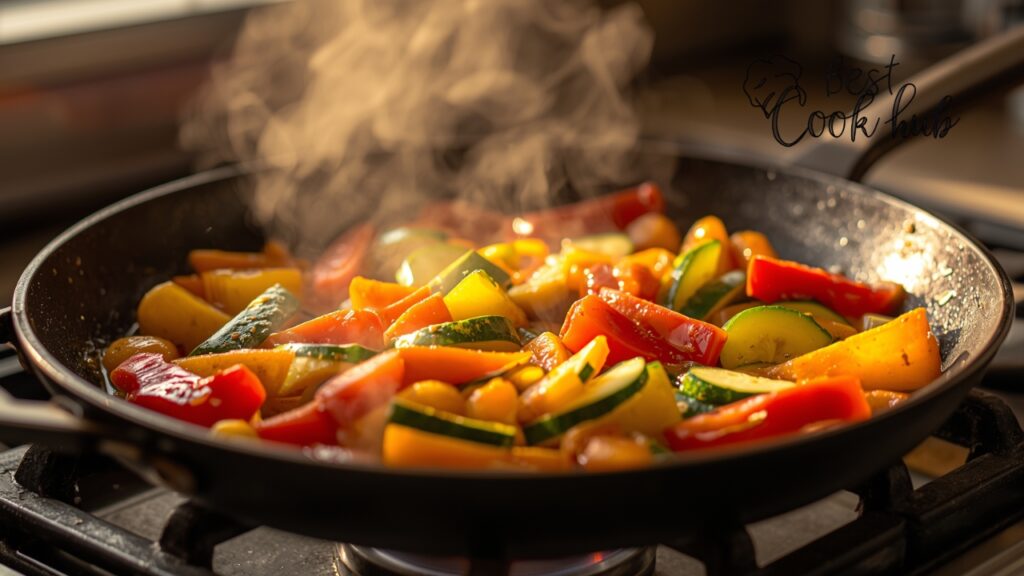
A skillet is perfect for onions, peppers, mushrooms, zucchini, green beans, spinach, and mixed vegetables. The sloped sides help you move food easily. You can stir, toss, or flip without trapping too much steam. Have you ever cooked mushrooms and ended up with a watery mess? Use a wider skillet, avoid overcrowding, and let the moisture evaporate.
4. Making Pancakes and French Toast
A skillet works beautifully for breakfast foods. Pancakes need a flat hot surface. French toast needs gentle browning on both sides. A saucepan cannot do this properly because it does not provide enough flat cooking area.
5. One-Pan Meals
A skillet can handle many quick one-pan meals. You can cook chicken and vegetables, fried rice, shakshuka, skillet pasta, fajitas, or sautéed shrimp. If your skillet is oven-safe, you can even start food on the stove and finish it in the oven. Cast iron skillets are especially loved for this reason. They hold heat well and can move from stovetop to oven.
Saucepan vs Skillet: Heat and Moisture Control
The biggest cooking difference between saucepan and skillet is how each pan handles moisture. A saucepan keeps moisture in. A skillet helps moisture escape. This small difference changes everything.
When you cook soup, you want moisture. You want ingredients to soften and flavors to blend. When you cook steak, you want moisture to leave the surface fast. A dry surface browns better and creates a delicious crust. This is why using a saucepan for frying often gives disappointing results. It traps steam. Your food may turn soft instead of crispy. A skillet solves that problem because the wide surface allows steam to escape quickly.
Saucepan vs Skillet for Sauces
This is where many home cooks get confused. Can you make sauce in a skillet? Yes, you can. Should you always make sauce in a skillet? Not always. A saucepan is better for slow sauces, milk-based sauces, gravy, soup bases, and anything that needs gentle simmering. The tall walls help prevent splatter and make stirring safer. A skillet is better for pan sauces made after searing meat.
For example, after cooking chicken in a skillet, you may see browned bits stuck to the pan. Those browned bits are flavor. When you add stock, wine, lemon juice, or butter, you can turn them into a quick pan sauce. This is a classic skillet advantage.
A saucepan makes sauce from liquid. A skillet can make sauce from flavor left behind after browning. Both are useful, but they shine in different ways.
Saucepan vs Skillet for Frying
A skillet is usually better for frying. The broad surface allows food to spread out and cook evenly. It also makes flipping easier. Fried eggs, pancakes, fish, chicken cutlets, burgers, and grilled cheese all need open space. A saucepan is not ideal for shallow frying because the base is smaller and the sides are high.
Food can be harder to turn, and steam can soften the texture. Still, a saucepan can work for deep frying small batches because the tall sides help contain oil. But be careful. Never fill any pan too high with oil. Hot oil expands and bubbles when food is added. For safety, leave plenty of space at the top.
Saucepan vs Skillet for Boiling
A saucepan wins for boiling. It holds water better and usually comes with a lid. This makes it useful for boiled eggs, noodles, pasta, potatoes, vegetables, and grains. A skillet can boil small amounts of liquid, but it is not efficient. The wide surface makes water evaporate faster. It can also spill more easily when moved. If the cooking method includes words like boil, simmer, poach, or steam, start by thinking of a saucepan.
Saucepan vs Skillet for Searing
A skillet wins for searing. Searing means cooking food over high heat to create a browned surface. This works best when the food has direct contact with a hot pan. A skillet gives food more contact area. A saucepan gives less.
For best searing, preheat the skillet first. Add oil only when the pan is hot, then add food after the oil begins to shimmer. Do not move the food too early. Let it sit long enough to form a crust. That crust is flavor.
Saucepan vs Skillet for Beginners
If you are new to cooking, you may ask, “Which one should I buy first?” The honest answer is: you need both. But if you are building a kitchen slowly, start with one good skillet and one good saucepan. These two pans cover most basic cooking jobs.
A 10-inch nonstick skillet is excellent for eggs, pancakes, and quick meals. A 3-quart stainless steel saucepan is excellent for rice, sauce, soup, oats, and boiling. With just these two pans, you can cook breakfast, lunch, and dinner without feeling limited. That is why most cookware guides include both as kitchen essentials.
Material Matters: Stainless Steel, Cast Iron, Nonstick, and More
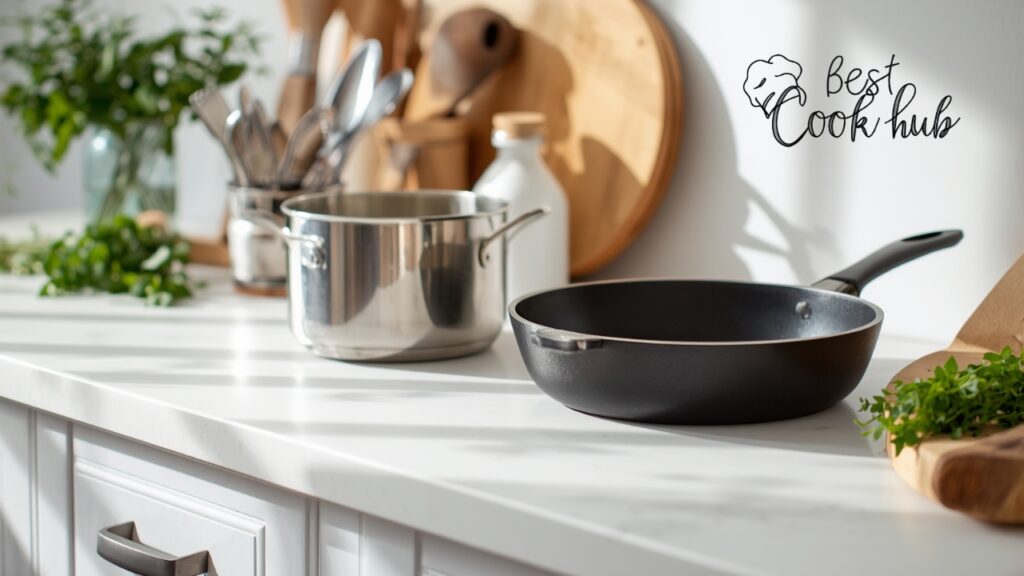
The difference between saucepan and skillet is mostly about shape, but material also affects performance. A stainless steel saucepan is durable and good for sauces, boiling, soups, and grains. A nonstick saucepan is easier to clean, especially for oatmeal, milk, and sticky foods. Just avoid metal utensils because they can damage the coating.
A stainless steel skillet is great for browning and pan sauces. A cast iron skillet is excellent for searing, frying, baking cornbread, and high-heat cooking. It holds heat very well, but it is heavier and needs proper care. A nonstick skillet is best for eggs, pancakes, delicate fish, and low-oil cooking.
A carbon steel skillet works like a lighter cousin of cast iron. It heats quickly and can become naturally nonstick with seasoning. Have you noticed how the same recipe can behave differently in different pans? That is material at work.
Common Mistakes When Using a Saucepan
Even simple cookware can be used the wrong way. Here are common saucepan mistakes and how to fix them.
Mistake 1: Using Too Much Heat
Saucepans are often used for liquids, dairy, grains, and sauces. High heat can burn the bottom before the top cooks properly. This is especially true for milk, cream, rice, oatmeal, and thick sauces. Use medium or low heat for better control.
Mistake 2: Not Stirring Enough
Thick foods can settle at the bottom. If you do not stir, they may stick or burn. This happens with custard, gravy, dal, porridge, and cheese sauce. Stir from the bottom, not just the surface.
Mistake 3: Using a Thin Saucepan for Delicate Cooking
Thin saucepans heat unevenly. This can cause scorching. A heavy-bottomed saucepan gives better heat distribution. If you often cook sauces, soups, or grains, choose a pan with a solid base.
Mistake 4: Overfilling the Pan
Liquids rise when boiling. Milk, pasta water, and soup can bubble over quickly. Leave enough space so the food can move without spilling. This one habit keeps your stovetop cleaner.
Common Mistakes When Using a Skillet
A skillet is simple, but small mistakes can ruin texture. Let’s fix the most common ones.
Mistake 1: Crowding the Pan
When you put too much food in a skillet, the temperature drops. The food releases moisture and starts steaming. Instead of browning, it becomes soft and pale. Cook in batches if needed. Yes, it takes a few extra minutes. But the result is much better.
Mistake 2: Adding Food Before the Pan Is Hot
A cold skillet does not sear well. Food may stick and release water. Preheating helps create a better surface for browning. For meat, fish, and vegetables, give the skillet time to heat.
Mistake 3: Moving Food Too Often
Many beginners keep stirring or flipping.nBut browning needs contact and time. If you move food every few seconds, it cannot form a crust. Place it down, listen to the sizzle, and wait.
Mistake 4: Using the Wrong Skillet Material
Nonstick is great for eggs, but not always best for high-heat searing. Cast iron or stainless steel often gives better browning. Choose the skillet based on the job, not just habit.
Cooking Tip: The “Steam or Sear” Question
Here is a simple question that helps you choose the right pan. Do I want this food to steam, simmer, soften, or stay moist? Choose a saucepan. Do I want this food to brown, crisp, fry, or develop a crust? Choose a skillet. This decision works for many recipes.
Rice? Saucepan. Fried egg? Skillet. Tomato soup? Saucepan. Steak? Skillet. Gravy? Saucepan, unless you are making a pan sauce from browned bits. Sautéed mushrooms? Skillet. Once you understand this, cooking becomes easier.
Real-Life Cooking Example: Chicken Dinner Test
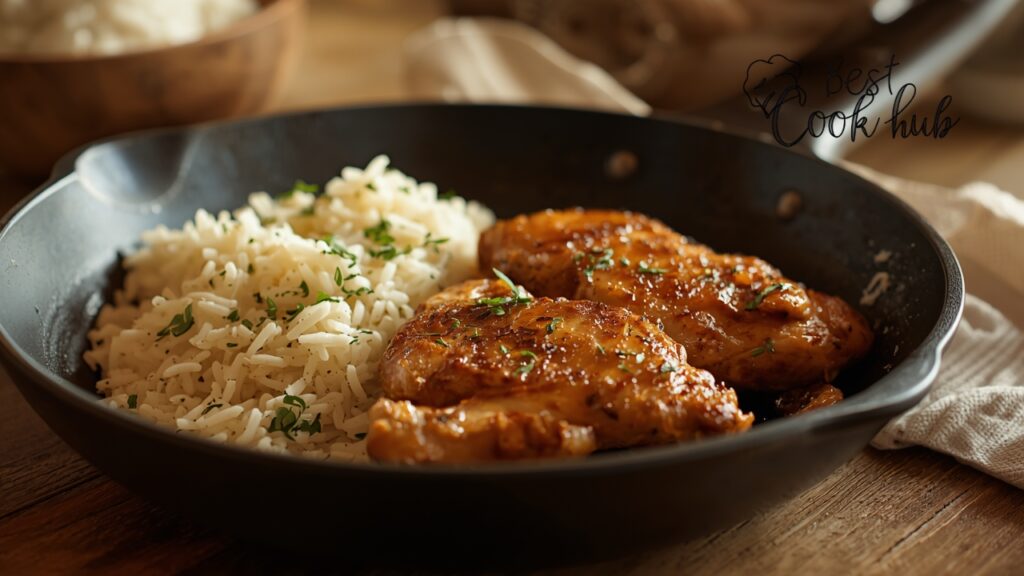
Let’s imagine you want to cook a simple chicken dinner. You have chicken breast, vegetables, and a little cream sauce. If you cook everything in a saucepan, the chicken may turn pale because the pan traps moisture. The vegetables may soften but not brown. The cream sauce may work, but the meat will lack deep flavor.
If you cook the chicken in a skillet first, you get browning. Then you remove the chicken and sauté vegetables in the same skillet. After that, you add a little stock and cream to make a quick pan sauce. Now the dish has color, texture, and flavor.
But if you want to make rice on the side, use the saucepan. The skillet gives flavor. The saucepan gives gentle cooking. Together, they create a complete meal.
Which Pan Is Better for Healthy Cooking?
Both pans can support healthy cooking. A saucepan is great for soups, steamed vegetables, oatmeal, lentils, beans, poached eggs, and low-oil meals. It helps you cook with water, broth, or steam instead of relying on extra fat. A skillet is great for quick vegetable sautés, lean proteins, eggs, and stir-fry-style dishes.
The key is oil control. Use enough oil to prevent sticking and improve flavor, but do not pour blindly. Measuring one or two teaspoons can help you stay aware. Nonstick skillets can reduce oil use for eggs and pancakes. Stainless steel or cast iron skillets may need more technique, but they create stronger browning. Healthy cooking is not only about the pan. It is about heat, portion, ingredients, and method.
Which Pan Is Easier to Clean?
A nonstick saucepan is usually easy to clean after oatmeal, soup, or sauce. A stainless steel saucepan may need soaking if food sticks at the bottom. Warm water and gentle scrubbing usually help. A nonstick skillet is easy after eggs and pancakes. A cast iron skillet needs different care. Avoid soaking it for a long time, dry it fully, and add a light layer of oil if needed.
Stainless steel skillets can develop stuck-on browned bits. Do not panic. Those bits often mean flavor. Add a splash of water while the pan is warm, loosen the bits with a wooden spoon, and cleaning becomes easier. That same technique can also create a quick sauce.
Can You Use a Saucepan Instead of a Skillet?
Sometimes, yes. But not always. You can use a saucepan for reheating, boiling, simmering, making sauces, and small deep-frying tasks. But it is not good for pancakes, fried eggs, searing steak, sautéing vegetables, or making crispy potatoes.
If you use a saucepan instead of a skillet for dry-heat cooking, food may steam instead of brown. That means less flavor and less texture. So, if the recipe depends on crispness or browning, do not replace the skillet with a saucepan.
Can You Use a Skillet Instead of a Saucepan?
Sometimes, yes. A skillet can reduce sauces, cook quick pan sauces, warm small amounts of liquid, and even make shallow pasta dishes. But it is not ideal for boiling water, cooking rice, simmering soup, or heating milk.
The shallow sides make spilling more likely. The wide surface also causes liquids to evaporate faster. So, if the recipe depends on liquid staying in the pan, use a saucepan.
Saucepan vs Skillet: Which One Is More Versatile?
A skillet is often more versatile for flavor-building. It can fry, sear, sauté, brown, toast, and even bake if oven-safe. For quick dinners, a skillet is a hero. A saucepan is more versatile for liquid-based cooking. It can boil, simmer, steam, melt, reheat, and cook grains. For daily basics, a saucepan is hard to replace. So the better question is not, “Which pan is better?”
The better question is, “What kind of cooking do I do most?” If you cook eggs, stir-fries, chicken, pancakes, and vegetables often, get a great skillet. If you cook rice, soup, sauce, oats, tea, pasta, or lentils often, get a great saucepan. Most home kitchens need both.
Buying Guide: How to Choose a Good Saucepan
Look for a saucepan with a heavy base. A heavy base reduces burning and improves heat control. This matters for sauces, milk, rice, and grains. Choose a size that matches your cooking.
A 1-quart saucepan is good for butter, small sauces, or baby food. A 2-quart saucepan is good for oatmeal, eggs, and small portions. A 3-quart saucepan is the best all-around size for many households. A lid is important. It helps rice cook properly, speeds up boiling, and keeps soup warm. A comfortable handle also matters. If the pan feels awkward when empty, it will feel worse when full of hot liquid.
Buying Guide: How to Choose a Good Skillet
Choose skillet size based on your household. An 8-inch skillet works for one egg or small portions. A 10-inch skillet is great for daily cooking. A 12-inch skillet is better for families, batch cooking, and larger proteins. Think about material.
Nonstick is beginner-friendly and easy for eggs. Stainless steel is durable and great for browning. Cast iron is powerful for searing and oven cooking. Carbon steel is excellent for experienced cooks who want a lighter pan with strong heat performance.
Check the handle. An oven-safe handle gives you more options. You can start chicken on the stove and finish it in the oven. That flexibility is useful.
Expert Cooking Tips for Better Results
Here are practical tips that can instantly improve your cooking.
Tip 1: Match Pan Shape to Cooking Method
This is the golden rule. Saucepan for liquids. Skillet for browning. When the pan matches the method, the food behaves better.
Tip 2: Preheat Skillets, But Be Gentle with Saucepans
A skillet often needs preheating before frying or searing. A saucepan usually does not need aggressive preheating, especially for milk, sauce, or grains. Gentle heat gives better control.
Tip 3: Dry Food Before Searing
Moisture stops browning. Pat chicken, fish, paneer, tofu, or steak dry with a paper towel before adding it to the skillet. This small step creates a better crust.
Tip 4: Stir Sauces from the Bottom
Sauces burn from the bottom first. Use a spoon or whisk to reach the corners of the saucepan. This is especially important for cheese sauce, gravy, custard, and oatmeal.
Tip 5: Do Not Crowd the Skillet
Give food space. If food overlaps too much, it steams. For crispy results, cook in batches.
Tip 6: Use the Lid Smartly
A saucepan lid helps trap steam. A skillet lid can help melt cheese, finish thick chicken pieces, or soften vegetables. But too much lid time can reduce crispness. Use it with intention.
Best Recipes for a Saucepan
A saucepan is perfect for recipes that need moisture, gentle bubbling, or controlled heat.
Try these:
- Tomato sauce
- Cheese sauce
- Chicken soup
- Vegetable soup
- Rice
- Oatmeal
- Boiled eggs
- Hot chocolate
- Custard
- Lentils
- Pasta for one or two people
- Gravy
- Mashed potato boiling
- Small-batch curry base
If you follow recipes from Allrecipes, you will often see saucepan-style methods for soups, sauces, and grains. That makes sense because these foods need liquid control.
Best Recipes for a Skillet
A skillet is best for recipes that need browning, flipping, frying, or direct heat.
Try these:
- Fried eggs
- Omelets
- Pancakes
- French toast
- Seared steak
- Chicken breast
- Salmon fillets
- Sautéed mushrooms
- Stir-fried vegetables
- Grilled cheese
- Burgers
- Hash browns
- Quesadillas
- Skillet potatoes
- Pan sauces after searing meat
Food Network often highlights skillet cooking for quick, flavor-focused meals because skillets are excellent for browning and building flavor. That is why many chef-style weeknight dinners begin in a skillet.
Saucepan and Skillet Together: The Smart Cooking Combo
The best cooking often uses both pans. Imagine making pasta with chicken and sauce. You boil pasta in a saucepan. You sear chicken in a skillet. Then you toss the pasta with sauce, chicken, and a little pasta water.
Now you have proper texture from the skillet and proper boiling from the saucepan. This is how real kitchens work. No single pan does everything perfectly. Good cooking is about choosing the right tool at the right time.
Final Thoughts: You Do Not Need Fancy Cookware, You Need the Right Pan
The difference between saucepan and skillet is not complicated. A saucepan is deep and best for liquids, sauces, soups, boiling, grains, and gentle cooking. A skillet is wide and shallow, best for frying, searing, sautéing, browning, and crisping.
Once you understand this, your cooking becomes calmer and more confident. You will stop blaming the recipe when the real issue is pan choice. You will know why your mushrooms turned watery, why your sauce dried too quickly, or why your fried egg never looked right.
Start simple.Use a saucepan when the food needs liquid. Use a skillet when the food needs heat contact. That one habit can improve your meals immediately.
FAQ
What is the main difference between saucepan and skillet?
A saucepan has tall sides and is best for liquids, sauces, soups, boiling, and simmering. A skillet is wide and shallow, making it better for frying, searing, sautéing, browning, and crisping food.
Can I fry food in a saucepan?
Can I make sauce in a skillet?
But for slow sauces, milk-based sauces, soups, gravy, and larger liquid recipes, a saucepan is usually better because it has taller sides and better liquid control.
Is a skillet the same as a frying pan?
A skillet usually has sloped sides and is used for frying, searing, and sautéing. Some people use “skillet” more often for cast iron pans, while “frying pan” can refer to nonstick or stainless steel versions.
Which should I buy first: saucepan or skillet?
For a basic kitchen, choose a 3-quart saucepan and a 10-inch or 12-inch skillet. The saucepan handles liquids, grains, and sauces, while the skillet handles eggs, frying, browning, and quick meals.
Leave a Reply