I remember when I ruined a full rack of leftover BBQ ribs the morning after a family cookout. The ribs were smoky, sticky, tender, and perfect the night before, but after a few minutes in the microwave, they turned dry, rubbery, and sad. Does this sound familiar? You spend good money or serious cooking time on baby back ribs, spare ribs, beef ribs, or smoked ribs, then the leftovers never taste the same the next day.
In my years of experience cooking, testing, and fixing leftover barbecue, I have seen many people struggle with one simple question: how do you reheat ribs without drying them out? The answer is not just “heat them again.” It is about gentle heat, moisture, timing, and knowing which reheating method fits your ribs. Ribs are not like plain chicken breast or pasta. They have bones, fat, connective tissue, sauce, bark, smoke flavor, and meat fibers that can easily tighten when reheated too fast.
Have you ever wondered why leftover ribs sometimes become chewy? It usually happens because the meat loses moisture, the sauce burns, or the ribs are blasted with high heat before the inside gets warm. The good news is simple: you can bring leftover ribs back to life. With the right method, reheated ribs can still be juicy, tender, flavorful, and close to fresh-off-the-grill quality.
Why Reheating Ribs the Right Way Matters
Ribs are already cooked once, so reheating them is about restoring texture, not cooking them from raw. That means your goal is to warm the meat slowly while protecting the moisture inside. According to USDA food-safety guidance, leftovers should be reheated to 165°F when checked with a food thermometer. That gives you confidence that your leftover ribs are not only tasty but also safe.
Another important data point is the food “danger zone,” which is between 40°F and 140°F. Bacteria can grow faster in that range, so ribs should not sit out for hours before reheating. I know many home cooks like to leave ribs on the counter “just to take the chill off.” A short rest of about 15–20 minutes can help with even heating, but leaving meat out too long is not worth the risk.
Best Overall Method: How to Reheat Ribs in the Oven
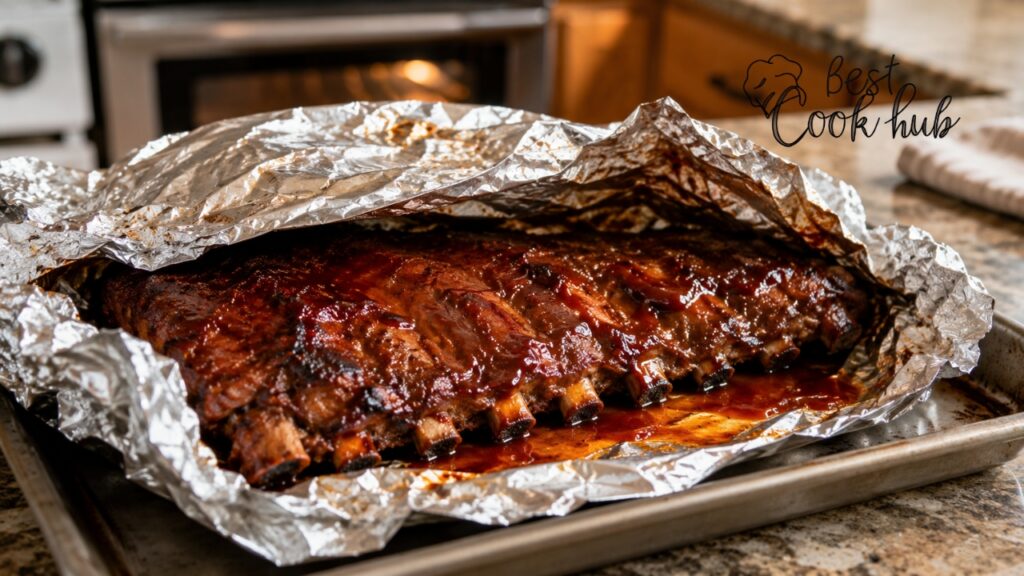
The oven is the best way to reheat ribs if you want juicy meat, soft texture, and preserved barbecue flavor. It gives slow, even heat and lets you control moisture with foil. Allrecipes also commonly recommends reheating ribs in the oven with foil because it keeps the ribs from drying out. This is the method I trust most when reheating a full rack or several rib portions.
Start by preheating your oven to 250°F to 300°F. Lower heat is better for smoked ribs, baby back ribs, and ribs with a thick barbecue glaze. Place the ribs in a baking dish or on a sheet pan. Add a splash of apple juice, broth, water, or extra barbecue sauce to help create steam. Wrap the ribs tightly with aluminum foil. This little step makes a big difference because it traps moisture around the meat.
Heat the ribs for 20–30 minutes if they are sliced or 30–45 minutes if they are in a larger rack. Use a meat thermometer and aim for 165°F for food safety. Want a sticky, caramelized finish? Open the foil, brush on a little more BBQ sauce, and place the ribs under the broiler for 2–4 minutes. Watch carefully during this final step. Barbecue sauce has sugar, and sugar can burn quickly.
Oven Reheating Steps
Preheat oven to 250°F–300°F. Place ribs in a baking dish or sheet pan. Add a little liquid or sauce. Cover tightly with foil. Heat until the inside reaches 165°F. Uncover and broil briefly if you want a glossy BBQ finish. This method works beautifully for pork ribs, beef ribs, smoked ribs, grilled ribs, spare ribs, St. Louis-style ribs, and baby back ribs.
How to Reheat Ribs in the Air Fryer
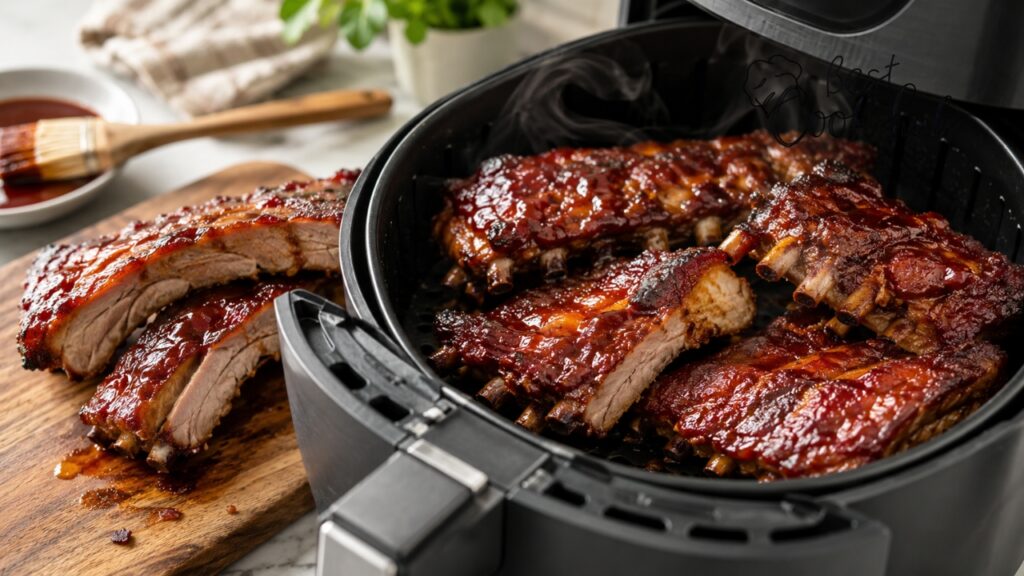
Have you ever wanted reheated ribs fast but still slightly crispy on the outside? The air fryer can help, but you need to be careful because it can dry ribs quickly. The air fryer is best for small rib portions, not a whole rack. It is also great when you want the sauce to get sticky and the edges to crisp up.
Preheat the air fryer to 325°F. Place the ribs in a single layer and brush them lightly with barbecue sauce, melted butter, broth, or apple juice. Heat for 5–8 minutes, then check the ribs. If they are not hot enough, continue for another 2–3 minutes.
Do not overcrowd the basket. Air needs to move around the ribs, or some pieces will overcook while others stay cold. The air fryer is not my first choice for very lean ribs. But for saucy ribs with some fat left on them, it can make the outside taste freshly glazed.
How to Reheat Ribs on the Grill
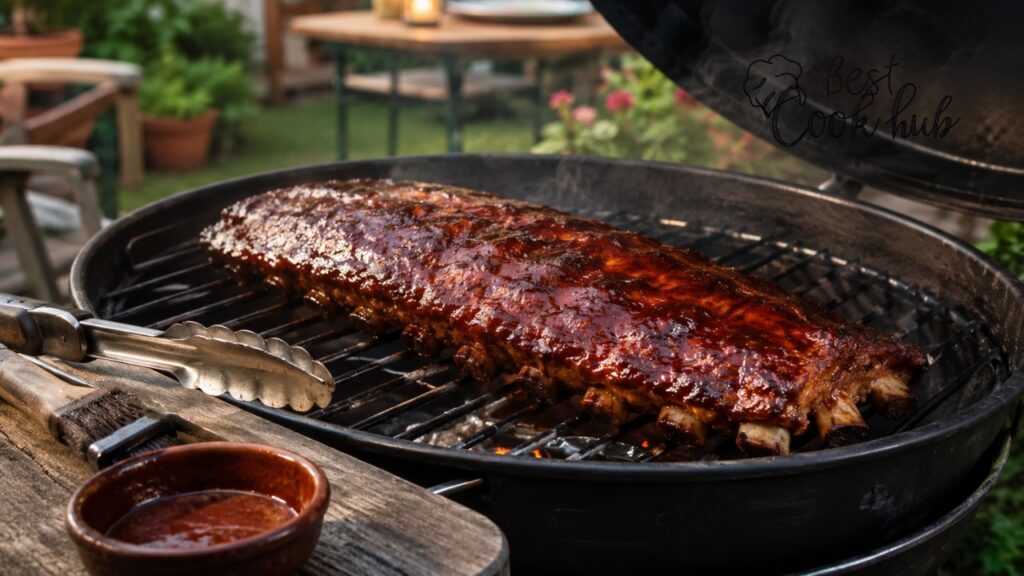
If your ribs were originally grilled or smoked, reheating them on the grill can bring back that outdoor barbecue flavor. Does anything smell better than BBQ sauce warming over gentle smoke? The key is indirect heat. Do not place leftover ribs directly over high flames unless you want burnt sauce and dry meat.
Preheat your grill to medium-low heat, around 250°F–300°F. Place the ribs on the cooler side of the grill and brush them with sauce or a light mop. Cover the grill and heat for 15–25 minutes. Turn once if needed, but do not keep flipping them.
For the final 2–3 minutes, you can move the ribs closer to direct heat to tighten the glaze. Keep your eyes on them because sugary sauce can go from beautiful to burned very fast. Food Network often teaches low-and-slow rib cooking with indirect heat, and that same idea helps when reheating ribs. Gentle heat protects tenderness.
How to Reheat Ribs in a Smoker
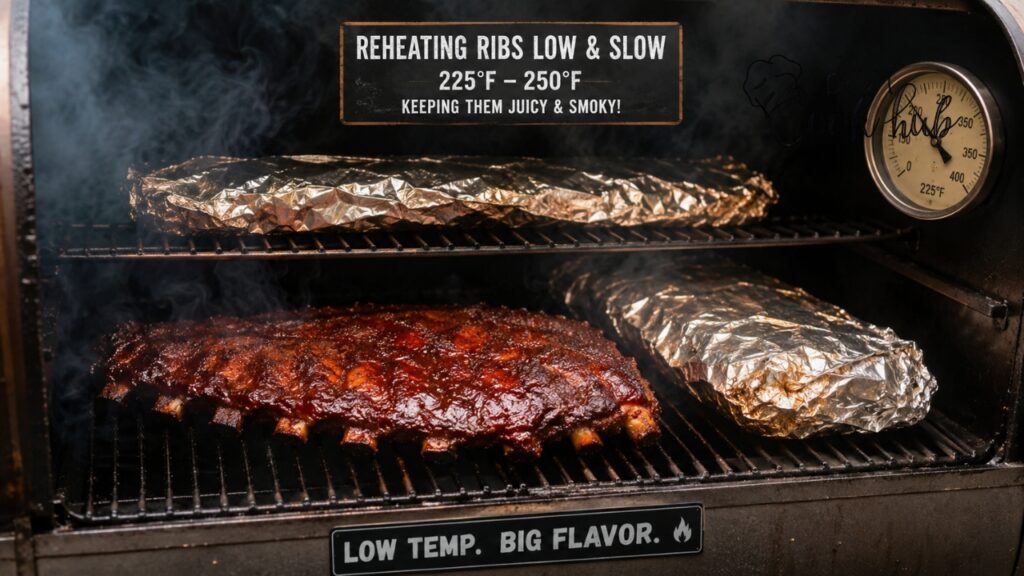
If you have a smoker, this is one of the tastiest ways to reheat ribs. It refreshes the smoky aroma and keeps the ribs moist when done properly. Set the smoker to around 225°F–250°F. Wrap the ribs in foil with a splash of apple juice, cider vinegar, broth, or sauce.
Place the ribs in the smoker and heat for 30–45 minutes. Check the internal temperature before serving. Want more bark? Open the foil for the last 5–10 minutes and let the surface firm up slightly. This method is especially good for smoked pork ribs, beef ribs, barbecue ribs, and restaurant-style leftovers. It takes longer, but the flavor payoff is real.
How to Reheat Ribs in the Microwave
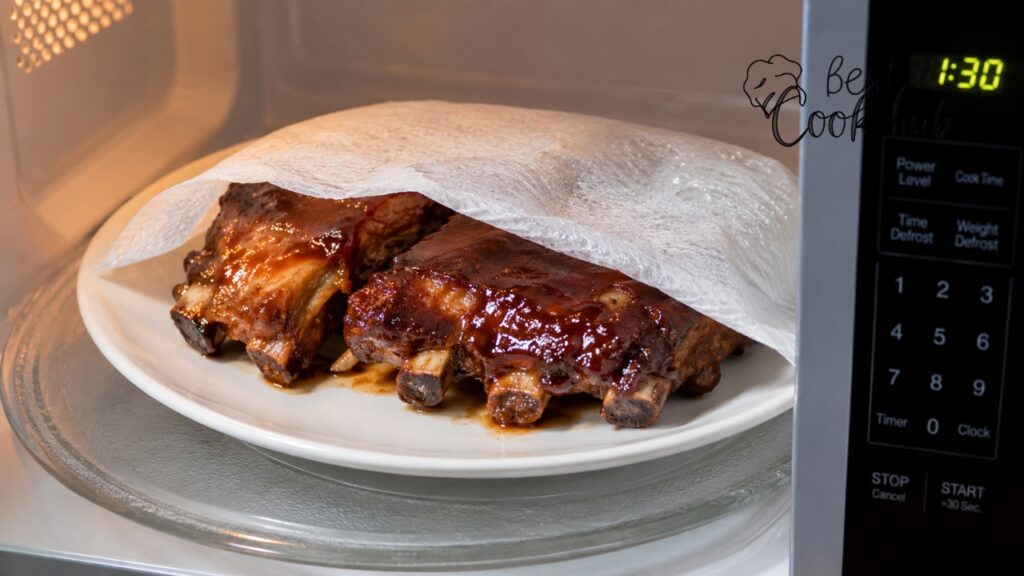
Let’s be honest. Sometimes you are hungry, busy, and the microwave is the only option. Can you reheat ribs in the microwave? Yes, but it is the easiest method to mess up. The microwave heats unevenly and can make rib meat tough if you use full power. That is why you need moisture and short intervals.
Place the ribs on a microwave-safe plate. Add a spoonful of barbecue sauce, broth, or water. Cover the ribs with a damp paper towel or microwave-safe lid. Heat at 50% power for 1 minute. Turn the ribs, then heat again in 30-second intervals until warm. Check carefully so you do not overcook them. This method is best for one or two rib pieces. If you have a full rack, use the oven instead.
How to Reheat Ribs Sous Vide
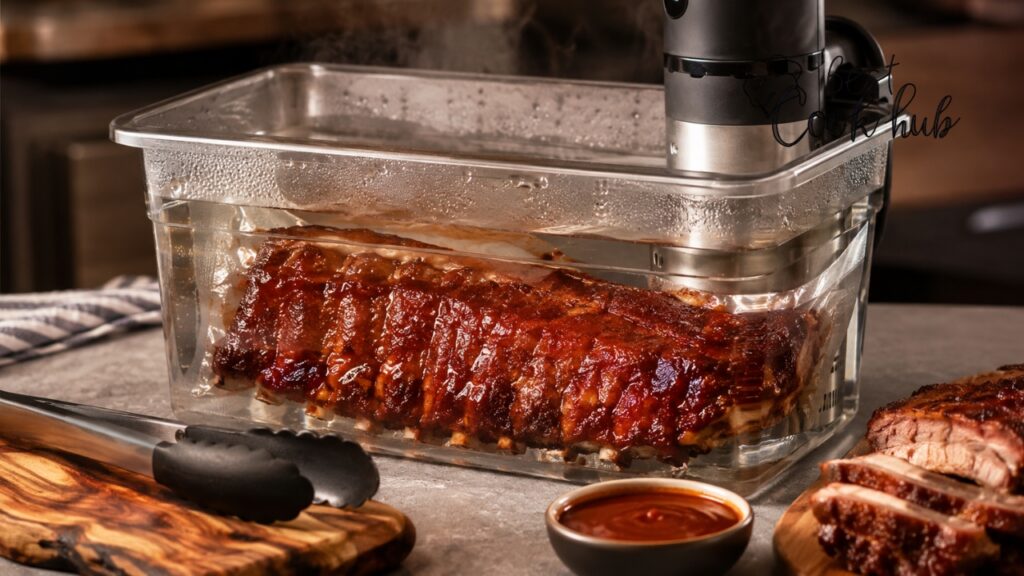
Sous vide is one of the best methods for reheating ribs without moisture loss. It is gentle, even, and nearly foolproof. Place the ribs in a vacuum-sealed bag or a high-quality freezer bag using the water displacement method. Set the water bath to around 150°F–165°F. Heat the ribs for 45 minutes to 1 hour, depending on thickness. Since the ribs are sealed, the juices stay close to the meat.
After reheating, you can brush them with BBQ sauce and quickly sear or broil for a better finish. This gives you juicy meat and a fresh-looking glaze. Sous vide is excellent for meal prep ribs, restaurant leftovers, smoked ribs, and ribs you froze after cooking. It is slower, but the result is very reliable.
How to Reheat Frozen Ribs
Did you freeze your leftover ribs? Good move, especially if you knew you would not eat them within a few days. For best results, thaw frozen ribs overnight in the refrigerator. This helps them reheat evenly without drying the outside before the center gets hot.
Once thawed, use the oven method. Add moisture, cover tightly with foil, and heat at 250°F–300°F until the internal temperature reaches 165°F. If you must reheat ribs from frozen, keep them wrapped in foil and use a lower oven temperature. Expect the process to take 50–75 minutes depending on the size. Do not rush frozen ribs with high heat. The outside can dry out while the inside stays cold.
How to Keep Ribs Moist When Reheating
The secret to moist reheated ribs is steam plus gentle heat. That means foil, sauce, broth, apple juice, or even a small splash of water can save your leftovers. Barbecue sauce helps, but do not drown the ribs. Too much sauce can overpower the smoke and make the outside sticky in a heavy way.
Apple juice is a classic choice because it adds light sweetness. Broth works well if you prefer savory ribs. Butter can also help if the ribs are dry. Brush a small amount over the meat before wrapping it in foil.
Have you ever noticed restaurant ribs often stay juicy even after holding? Many kitchens use controlled low heat, covered pans, steam, and sauce management. You can use the same idea at home. Protect the meat first, then finish the surface at the end.
Common Mistakes When Reheating Ribs
The biggest mistake is using heat that is too high. High heat squeezes moisture out of the meat and can burn the sauce. Another mistake is reheating ribs uncovered. Exposed ribs dry out quickly, especially in the oven. Many people also forget to add moisture. A small splash of liquid can turn dry leftovers into tender ribs again.
Cutting ribs into tiny pieces before reheating is another problem. Smaller pieces lose moisture faster. Microwaving on full power is also risky. It can make some parts scorching hot while other parts stay cold. And here is a mistake people rarely talk about: reheating ribs too many times. Reheat only the portion you plan to eat.
Best Liquid to Add When Reheating Ribs
Apple juice is one of the best liquids for pork ribs. It adds gentle sweetness and works well with smoky BBQ flavor. Beef broth is better for beef ribs. It adds richness without making the ribs taste fruity. Chicken broth is a nice all-purpose option. It is mild and works with most barbecue sauces.
Water works when you have nothing else. It will not add flavor, but it will create steam. Cider vinegar mixed with a little water can brighten fatty ribs. Use only a small amount so the ribs do not taste too sharp.
How Long Do Reheated Ribs Take?
Reheating time depends on the method, rib size, and whether the ribs are cold or frozen. Small portions heat faster, while full racks take longer.
In the oven, sliced ribs usually take 20–30 minutes. A half rack or full rack may take 30–45 minutes. In the air fryer, ribs may take 5–10 minutes. On the grill, expect 15–25 minutes over indirect heat. In the smoker, plan for 30–45 minutes. Sous vide may take 45–60 minutes, but it gives excellent moisture control. The microwave is fastest, often 2–4 minutes total. Still, it is not the best method for texture.
Best Temperature to Reheat Ribs
For tenderness, use 250°F–300°F in the oven, grill, or smoker. This range warms the ribs gently and helps prevent moisture loss. For safety, check that the internal temperature reaches 165°F. A food thermometer removes the guesswork.
Do not push the oven to 400°F just to save time. Fast heat often means dry ribs. If you want the sauce to caramelize, use high heat only at the end. That final blast should be short and controlled.
How to Store Ribs Before Reheating
Good reheated ribs start with good storage. If the ribs were stored badly, no reheating trick can fully save them. Place leftover ribs in an airtight container or wrap them tightly in foil. Refrigerate them within 2 hours after cooking. Use refrigerated cooked ribs within 3–4 days. If you need longer storage, freeze them.
For freezing, wrap ribs tightly in plastic wrap or foil, then place them in a freezer bag. Remove as much air as possible to reduce freezer burn. Label the date on the bag. Future you will be thankful.
Best Way to Reheat Different Types of Ribs
Baby back ribs are leaner and can dry out faster. Use the oven, sous vide, or foil-wrapped smoker method. Spare ribs have more fat, so they are more forgiving. Oven, grill, air fryer, and smoker methods all work well.
St. Louis-style ribs reheat beautifully in the oven because their even shape warms consistently. Add sauce near the end for the best glaze. Beef ribs need slow reheating because they are thick and rich. Use the oven, smoker, or sous vide method. Boneless ribs can dry out quickly. Keep them covered and add broth or sauce before reheating.
My Favorite Rib Reheating Method
When I want the best balance of taste, texture, and convenience, I use the oven. It is simple, reliable, and does not require special equipment. I place the ribs in a baking dish, add a splash of apple juice, brush on a little sauce, and cover them tightly. Then I heat them at 275°F until they reach 165°F inside.
After that, I uncover them and broil for just a few minutes. The result is tender meat, warm sauce, and edges that taste freshly finished. Is it exactly like ribs straight from a pit smoker? Not always, but it is close enough to make people reach for another piece.
Quick Case Study: Saving Dry Leftover Ribs
A friend once brought me leftover ribs from a backyard party. They had great smoke flavor, but they were dry after being stored uncovered in the fridge. Instead of microwaving them, I placed them in a baking dish with two tablespoons of apple juice and one tablespoon of BBQ sauce. I covered the dish tightly with foil and reheated them at 275°F for about 30 minutes.
After they reached a safe temperature, I brushed on a thin layer of sauce and broiled them for 2 minutes. The ribs did not become perfect, but they became tender, glossy, and enjoyable again. That little test proved something important. Moisture and gentle heat can rescue ribs that most people would throw away.
Pro Tips for Reheating Ribs Like a Pitmaster
Do not reheat cold ribs straight at high heat. Let them sit for a short time while the oven preheats. Keep the ribs covered for most of the reheating time. Uncover only at the end if you want a better glaze.
Use a thermometer. Guessing is how ribs become either unsafe or overcooked. Add moisture, but do not flood the pan. You want steam, not boiled ribs. Reheat ribs bone-side down when possible. This helps protect the meat side from direct pan heat. Save extra sauce for the end. Fresh sauce after reheating makes leftovers taste brighter. Let ribs rest for 3–5 minutes before eating. This helps the juices settle.
Which Reheating Method Should You Choose?
If you want the best overall result, choose the oven. It is the most dependable method for juicy reheated ribs. If you want speed and crispy edges, choose the air fryer. Just keep the time short. If you want smoky flavor, use the grill or smoker. These methods bring back that barbecue feeling. If you want maximum moisture, use sous vide. It is great for serious home cooks. If you are in a rush, use the microwave carefully. Keep the power low and add moisture.
Final Serving Ideas for Reheated Ribs
Reheated ribs taste even better when served with fresh sides. Try coleslaw, potato salad, cornbread, baked beans, pickles, or grilled vegetables. You can also pull the meat off the bone and use it in sandwiches. Add pickles, onions, and a little extra BBQ sauce.
Leftover rib meat is also great in tacos, fried rice, nachos, loaded fries, or mac and cheese. Have you ever tried rib meat over creamy mashed potatoes? Do not think of reheated ribs as boring leftovers. Think of them as round two of a great meal.
You can also check this: How to Measure 2/3 Teaspoon
The Takeaway
Learning how to reheat ribs is really about respecting the meat. You already have flavor, smoke, sauce, and tenderness waiting inside those leftovers. Use gentle heat, cover the ribs, add a little moisture, and finish with sauce at the end. Once you do that, leftover ribs stop feeling like leftovers and start tasting like a second barbecue night.
So next time you open the fridge and see a rack of ribs waiting for you, do not worry. You know exactly how to bring them back juicy, tender, and full of flavor.
FAQ
What is the best way to reheat ribs?
Heat until the internal temperature reaches 165°F. For a sticky finish, uncover the ribs and broil them for 2–4 minutes.
How do you reheat ribs without drying them out?
A splash of apple juice, broth, or sauce creates steam. That steam helps soften the meat and protect the texture.
Can you reheat ribs in the microwave?
Microwave reheating is best for one or two pieces. For a full rack, the oven is much better.
How long should ribs be reheated in the oven?
The exact time depends on thickness and how cold the ribs are. Always check the internal temperature for the safest result.
Can you reheat ribs more than once?
Only reheat the portion you plan to eat. Keep the rest stored safely in the refrigerator or freezer.
Leave a Reply